Here's something that might surprise you. The market for collaborative robots will jump 6,100 percent between 2025 and 2045. No, that’s not a blot on your screen. The global robotics market at large is skyrocketing too, at about 15 percent each year. By 2032, experts project it will be worth $169.8 billion.
Investing in AI, Robotics, and Automation: What You Need to Know
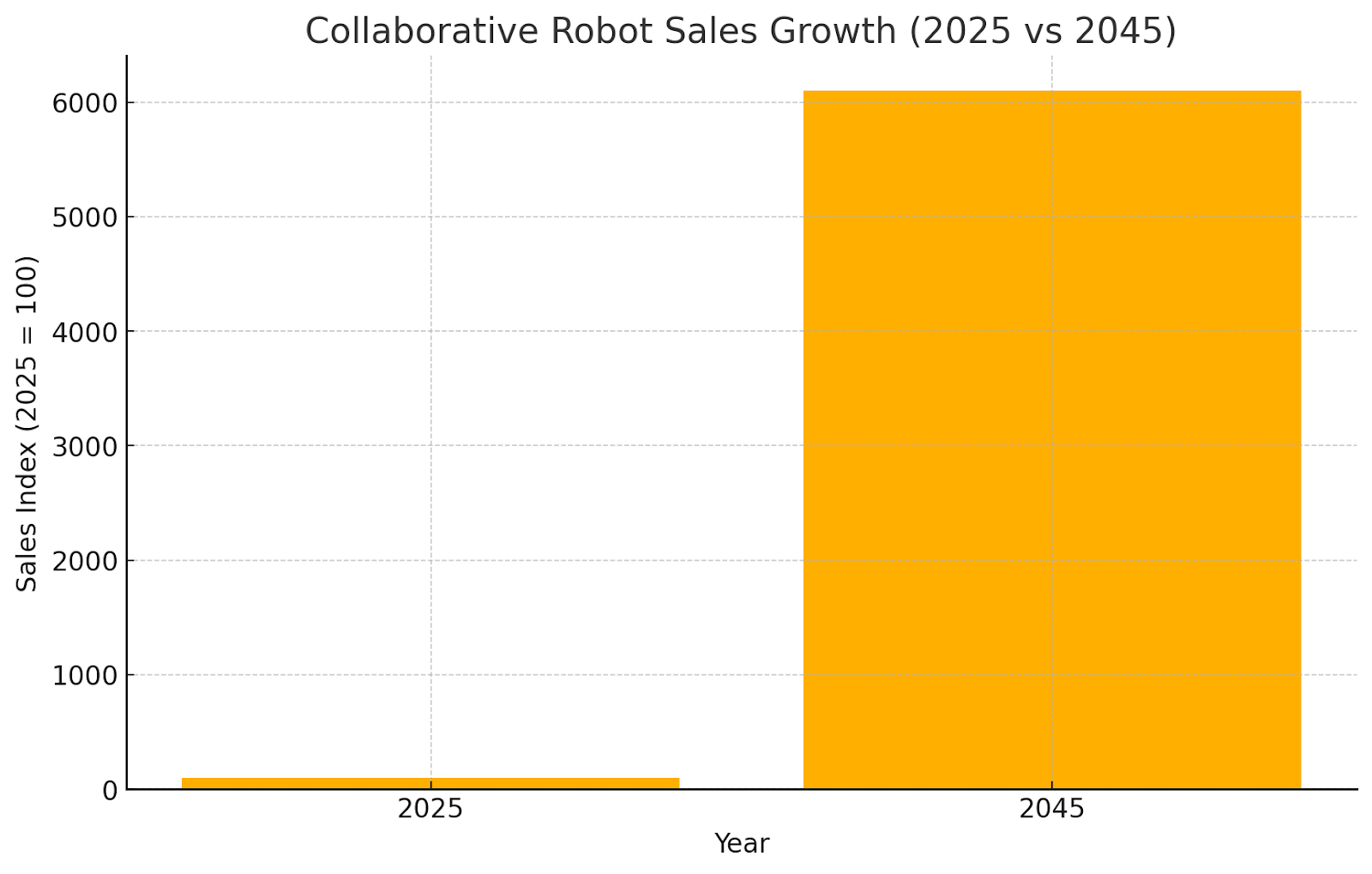
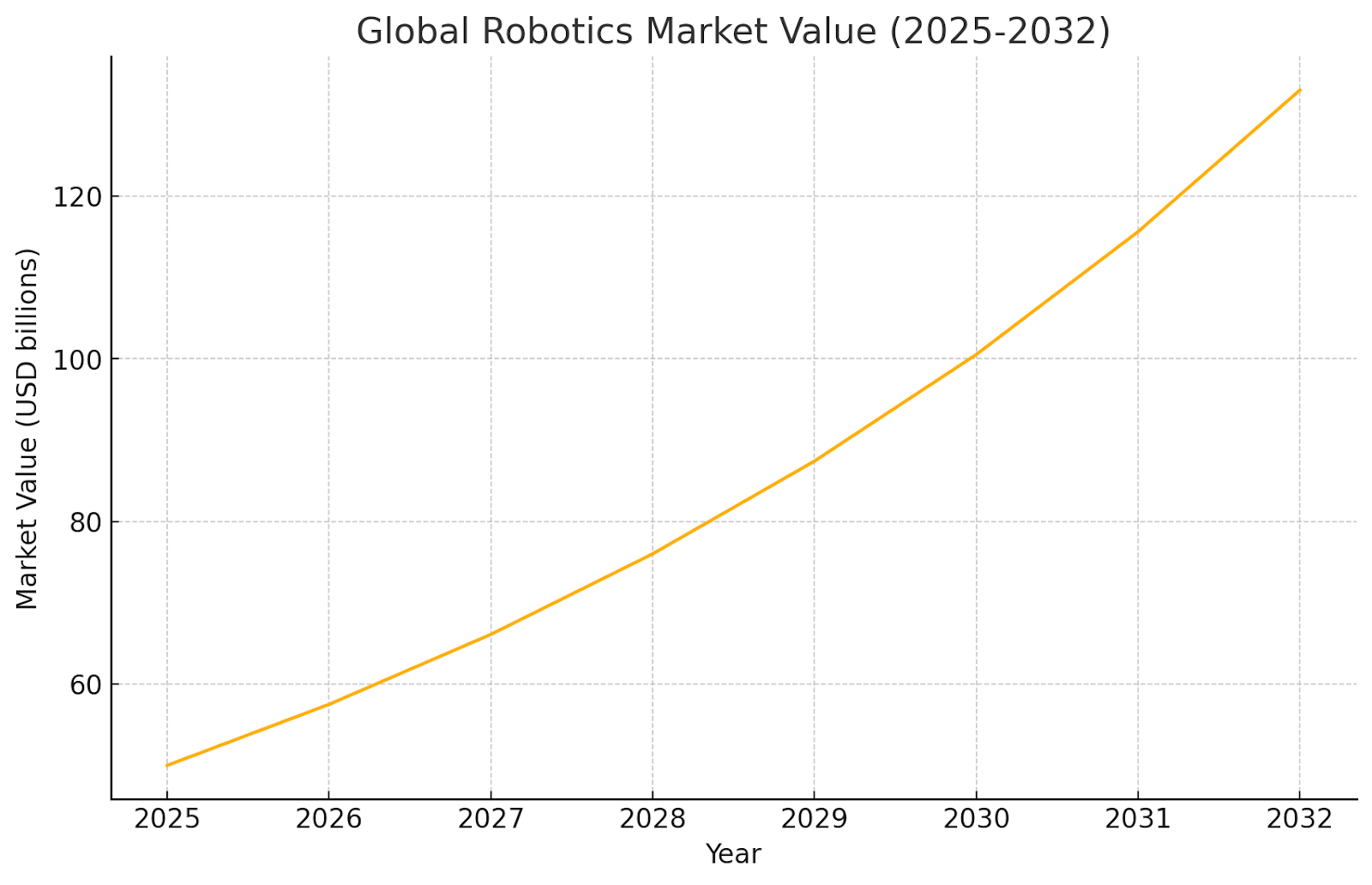
These numbers send an important message. Machines are not only growing smarter and more useful, they're also big business. But in light of all this commotion, many people still don't know how to profit off of this phenomenon.
The Big Mistake Most Investors Make
Many people think AI and robots are still nothing more than science fiction. They believe they’re too fancy or too far in the future to matter right now. This is not only a limiting way of thinking but irresponsible too.
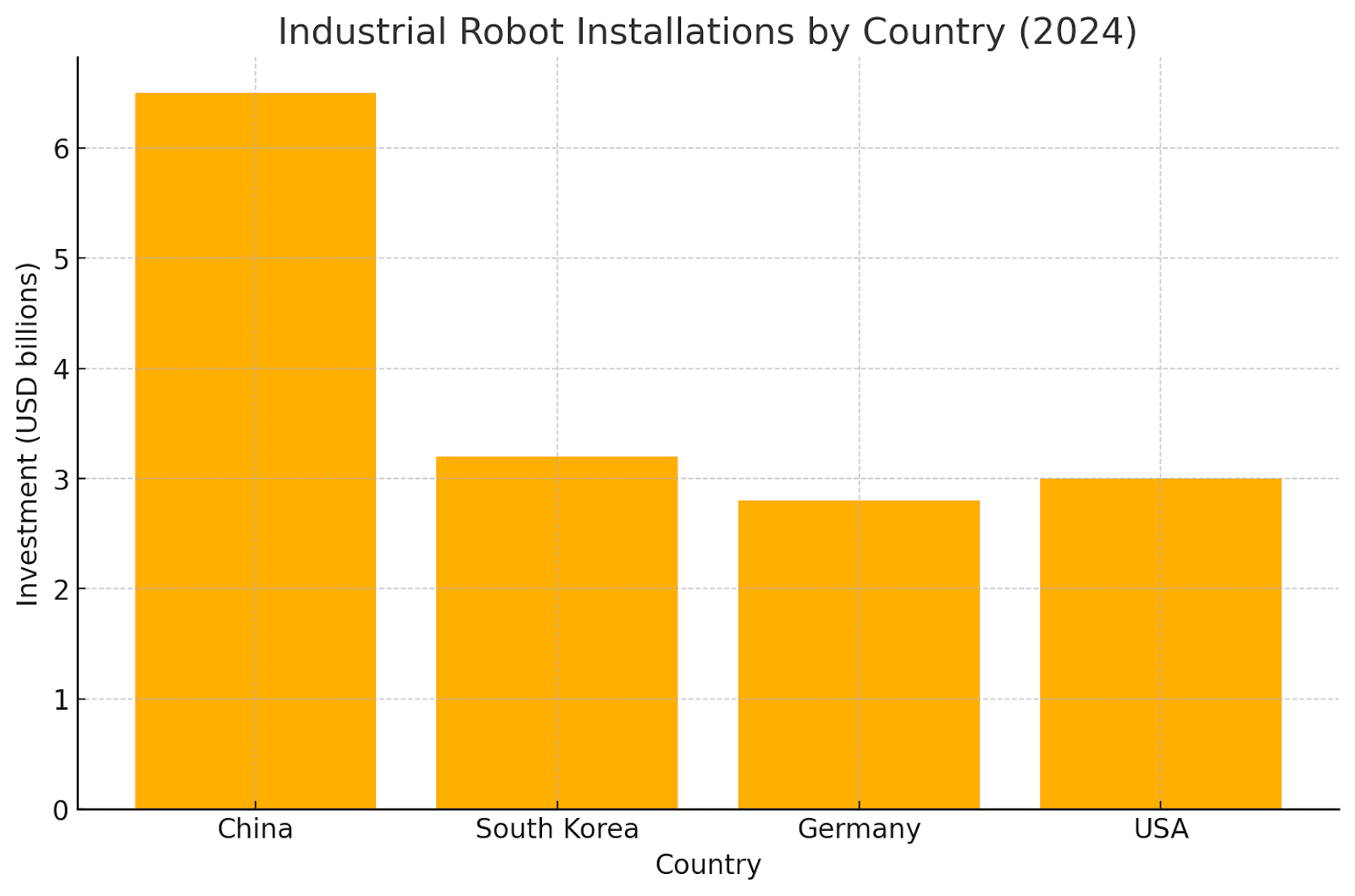
Companies are already spending record amounts on robots. According to the International Federation of Robotics, the global market for industrial robot setups hit an all-time high of $16.5 billion. Since COVID, more and more factories have started using robots, especially in China and South Korea. Businesses aren't waiting around. They're investing in those machines now.
The thing is, most people don't realize how all-encompassing this change really is. New AI tech, like machine learning and computer vision, is making robots much better at their jobs. They’re no longer mere factory tools anymore.
You can see AI robots operating everywhere now. They serve customers at hotels, deliver food to your door, and even help care for elderly people. In food factories, robots are packing and moving products around faster than ever. From hospitals to warehouses to restaurants, these machines are making companies money.
Here's what many investors are missing out on. In just the first three months of 2025, companies raised over $2.26 billion for robotics projects.
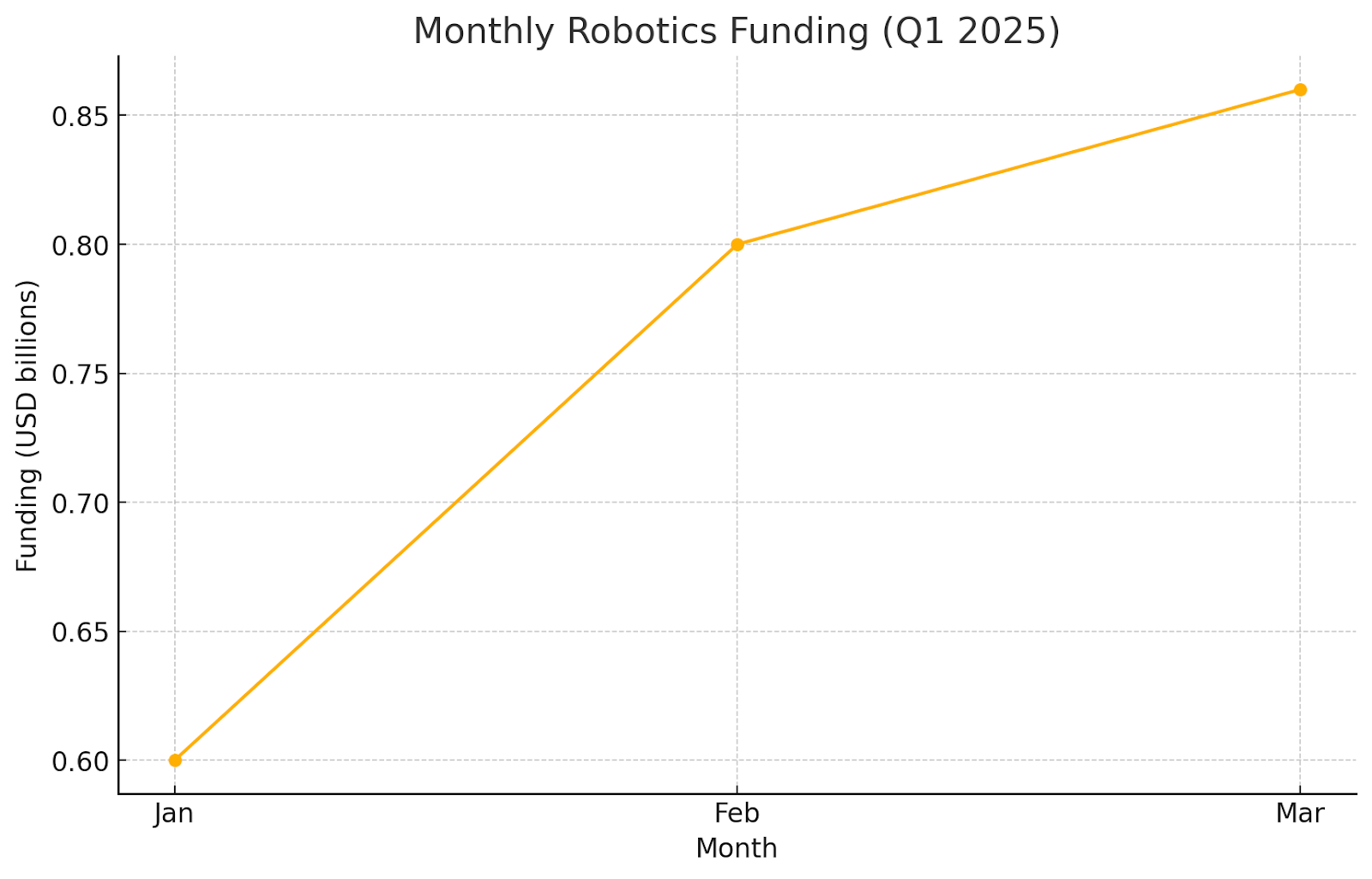
Big investment firms are putting serious money into this space. If you're not paying attention, you might miss out on one of the most lucrative opportunities in the next ten years.
Where the Smart Money Goes
Meanwhile, if you wish to invest your money well, there are three main industries you should take a hard look at.
Hardware Companies
NVIDIA makes the computer chips that power most AI systems. Their chips run everything from Tesla's robot workers to self-driving cars. Without these chips, AI robots wouldn’t able to work. That makes NVIDIA pretty important.
Then, there are other companies that build the actual robots. ABB is a Swiss company that makes automation tools for power plants and big buildings. Fanuc, from Japan, makes factory robots, motors, and laser tools. These are the traditional robot makers that keep growing bigger each year.
Medical Robots Are Taking Off
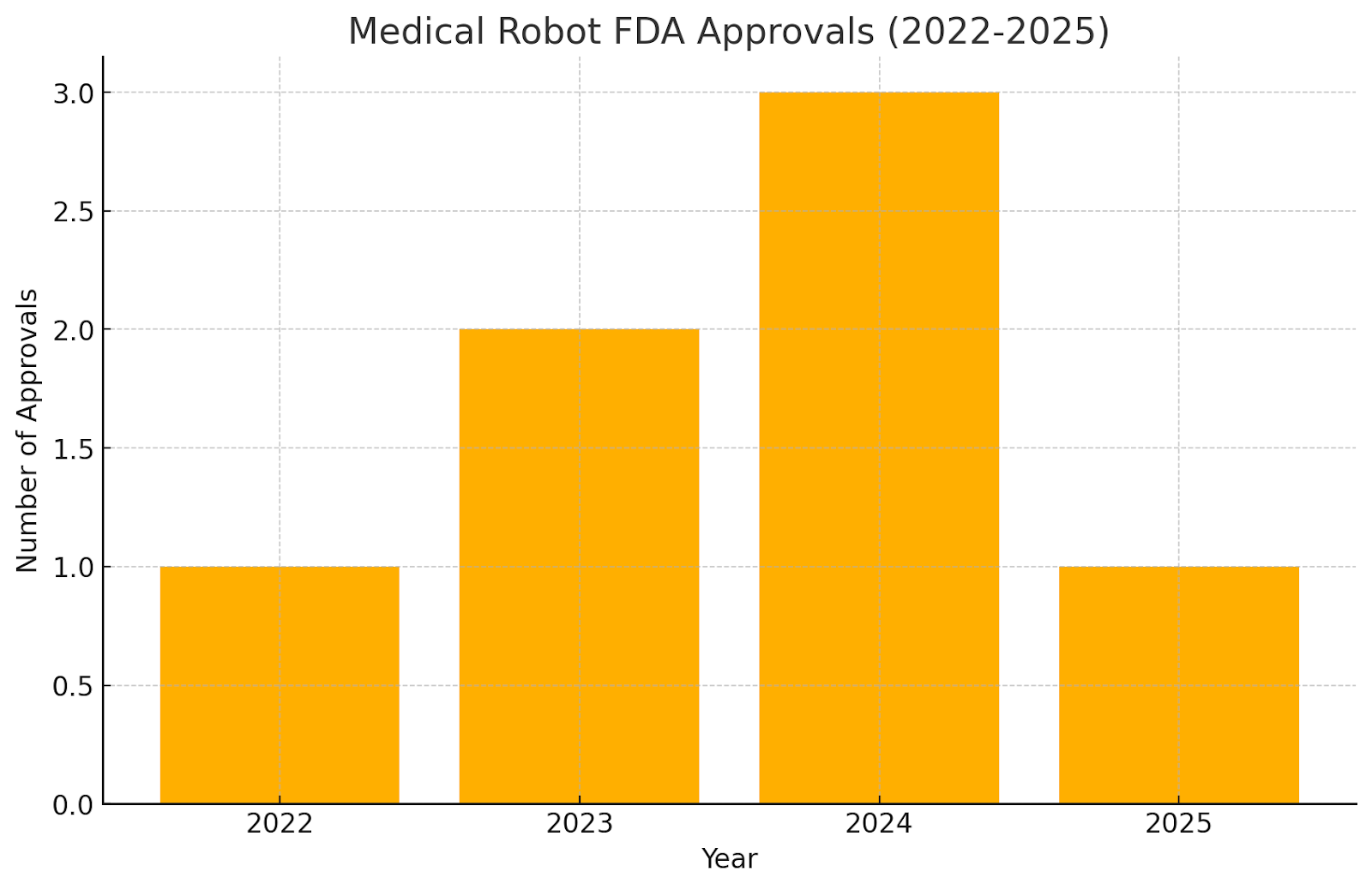
Healthcare robots deserve extra attention from investors. The FDA approved Procept BioRobotics in August 2024 for their HYDROS robot system. This robot helps doctors perform special treatments for men's health problems.
Stryker makes the MAKO system that helps with knee and hip replacement surgeries. Lots of hospitals use it now. Smith & Nephew came later with their CORI system, which gives surgeons more control during operations. These companies show how robots help doctors do better work and get better results for patients.
The Service Business Changes Everything
Some companies don't sell robots but rent them out instead. This is called Robot-as-a-Service, or RaaS for short. Companies get the chance to take advantage of robots without having to buy them upfront. This lowers the entry threshold for smaller businesses to start using automation.
These rental models work really well because they create steady income for the robot companies. At the same time, they help more businesses afford robot workers. It's a win for everyone involved.
Another thing that is acting as an equalizer for small businesses to hit the ground running is crowdlending. Companies are offering projects to groups of lenders to participate in providing credit to at the same time to minimize their risk. DeFi projects like Maclear use sophisticated credit scoring systems that help people gain access to credit that never could’ve obtained it before.
How to Invest Without Taking Big Risks
Picking individual stocks in fast-moving industries can be really risky. Most regular investors should think about buying funds that own many different companies at once.
Funds
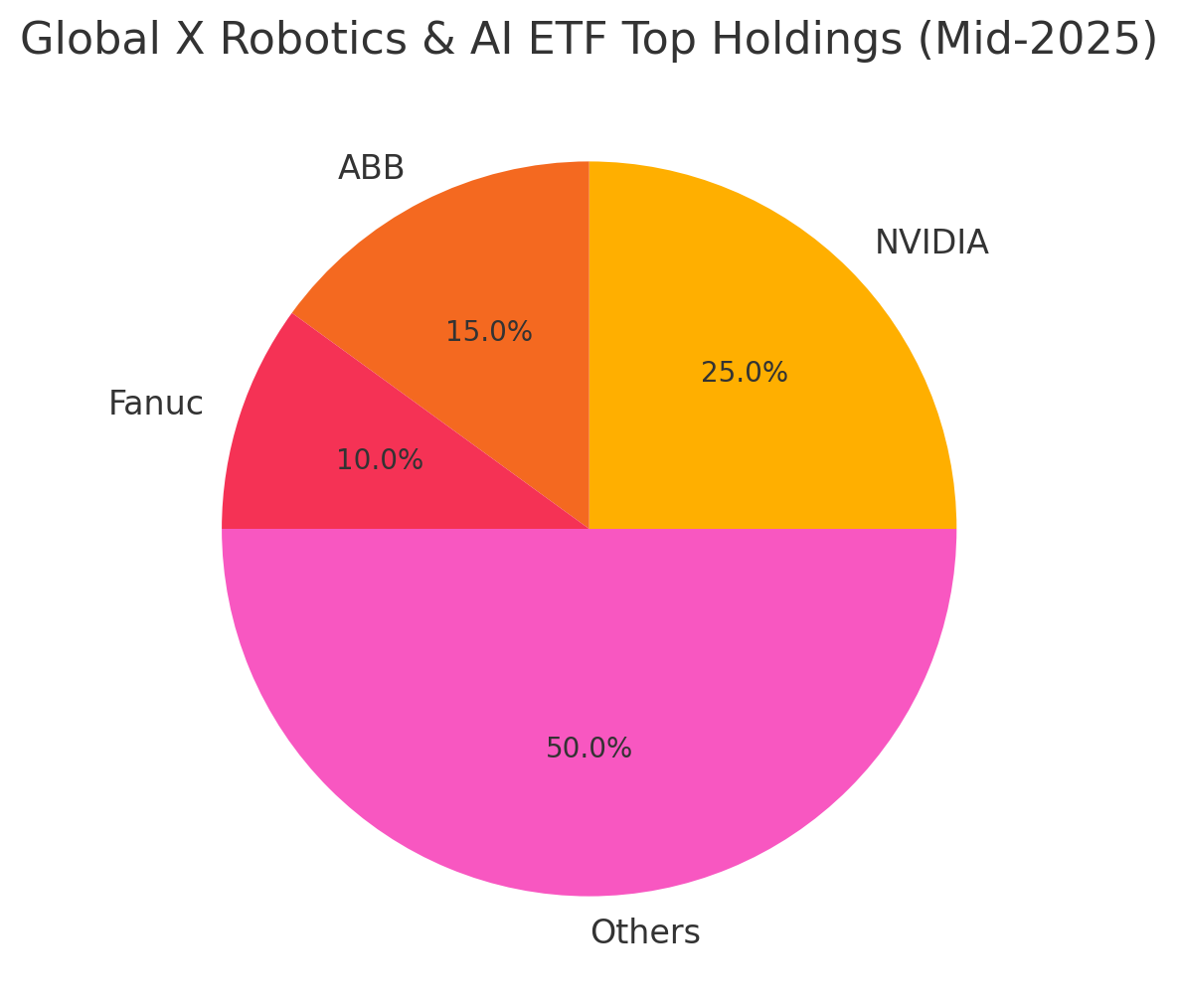
The Global X Robotics & Artificial Intelligence ETF purchases shares in organizations that should do favorably while using robots and AI popularizes. They own pieces of outfits engaged in producing bots for factory purposes, processing tools, and self-driving cars. This fund owns 50 different organizations’ shares as of this writing, first and foremost – NVIDIA, ABB, and Fanuc. When you buy this fund, you get a piece of both the big established companies and newer ones that are just starting to grow.
Another wise choice is ETF ROBO Global Robotics and Automation Index, revolving around newly created artificial intelligence and robotics. The Motley Fool stated that ROBO owns 78 different companies’ shares, like Intuitive Surgical. It assists Da Vinci robot systems that help surgeons do operations with tiny cuts.
Niche Funds
ETF the First Trust Nasdaq Artificial Intelligence and Robotics tracks companies across many different industries. 101 different shares are featured in it, most notably Symbotic, Palantir, QinetiQ Group, Pegasystems, and AeroVironment.
These focused funds let you invest in specific parts of the big wave without putting all your money on just one company.
Risks
Every investment has risks. AI and robot investments have some special challenges it’s important to fully understand.
Technology Changes Fast
Many AI companies are still growing, and their stock prices can swing up and down a lot. New technology can make older solutions useless pretty quickly. The companies that lead today might not be the leaders tomorrow. Companies that try to solve very narrow problems often struggle. They spend too much money and have trouble finding enough customers. It's better to focus on companies that solve big, common problems that lots of businesses have.
Rules and Social Issues
Not everyone is happy about robots taking over jobs. Oxford Economics research shows this creates uncertainty about how fast companies will actually start using these machines. There are also safety concerns about AI and robots that could slow things down or tack on new extra costs for companies to have to shoulder. Some people worry about cyberattacks on robots or AI systems. These security issues could impede adopting new technology.
Market Ups and Downs
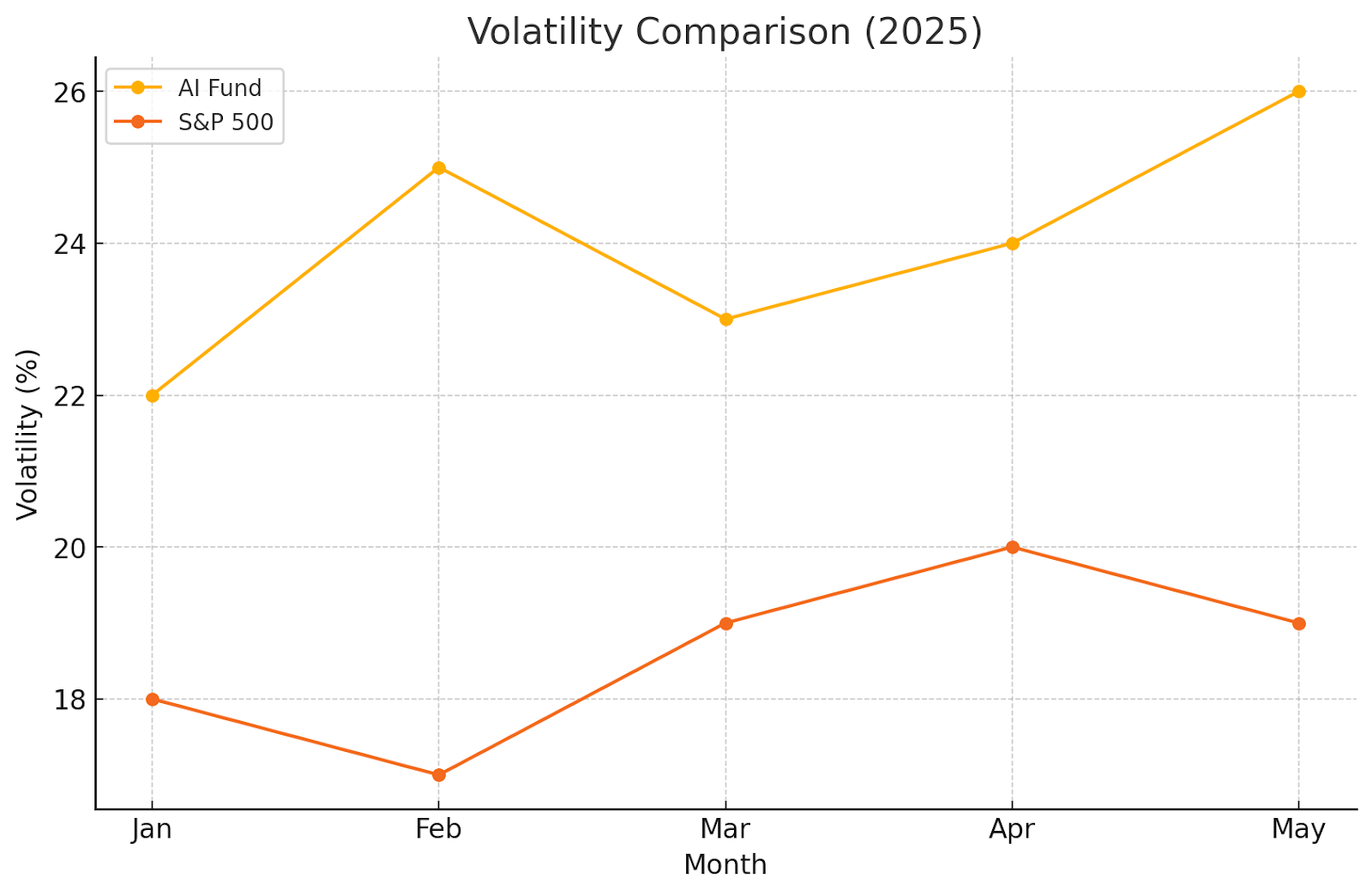
In 2025, AI funds have been pretty bumpy as investors worry about whether stock prices are too high and if interest rates will change. When people expect too much too fast, it can lead to prices that don't match what companies earn.
Building Your Strategy
Investing in AI, bots, and automation successfully means having a clear plan that fits how much risk you can handle and how long you want to invest. Finance experts often suggest putting no more than 10 percent of your total investments into any one area, as promising as it may appear. This rule works for sector funds too. Don't put too much money into AI and robotics, no matter how tantalizing it looks.
AI funds already spread your risk across many different companies. This gives you exposure to both the big leaders and smaller companies that could suddenly balloon. Start with broad funds before you add more specialized ones.
Think Long Term
Even though prices go up and down in the short term, AI is still changing how the world works. It has real long-term growth potential. Companies keep investing more money in robotics, which shows this field will only continue to grow.
Short-term price movements don't matter as much as the long-term trend. Companies that can handle challenges well through smart planning, good partnerships, and flexible business models like Robot-as-a-Service will probably do the best over time.
Pick Your Timing
Considering how fast AI changed our economy, a big drop in prices could be a good chance for people who haven't invested yet. When markets get shaky, you might be able to buy good investments at better prices. AI is still a strong long-term growth story in America. Innovation keeps moving forward, and more businesses keep adopting those technologies. Focus on how well the actual businesses are doing rather than short-term market feelings.
What Comes Next
AI, robotics, and automation are changing work and how value is made. If you're an early investor, you can find chances in companies using proven tech to solve real problems. Learning is key. Begin with a mix of different funds, then pick stocks with a strong profit history to build on what you know. Keep a long view. This shift will take years and offer many openings for patient investors.
If you’re interested in taking advantage of this revolution, you’d do well to consider the credit opportunities, both as a business and an investor. Maclear gives great crowdlending opportunities as well as lucrative interest rates to those who wish to share the risk in lending and also make a difference in meaningful projects.