Biotechnology and Genomics: Investing in the Future of Health
09.12.2025
5 min
Updated: 29.07.2026
A doctor draws a tiny drop of blood and scans your DNA in minutes so that treatments fit your genes. It feels like fiction. Yet it happens today. Biotech and genomics firms make it real. These steps reshape how doctors fight illness, how farmers raise food, and how we grasp life itself.
For investors, this shift brings big chances to earn and big risks too. The biotech market may jump from $1.74 trillion in 2025 to $5.04 trillion by 2034. Many investors still feel unsure which companies will thrive and which will disappear.
In This Article
Why Biotech Investing Makes People Nervous
Investing in biotech and genomics can be tough for good reasons. These firms often lose cash for years while they hunt for new treatments. Tests can fail at any step, so that a stock might drop by half overnight. Getting the government's okay takes years with no guarantee.
The big worries:
The science is tricky. Gene editing and personalized medicine use methods that few people are capable of checking out.
Wait times can stretch 10–15 years. The work costs money without any guaranteed payback.
Rules are strict, and plans can flop at the last hurdle.
Prices swing wildly on one result. Most public biotech firms are losing money.
Smart Ways to Invest in Biotech and Genomics
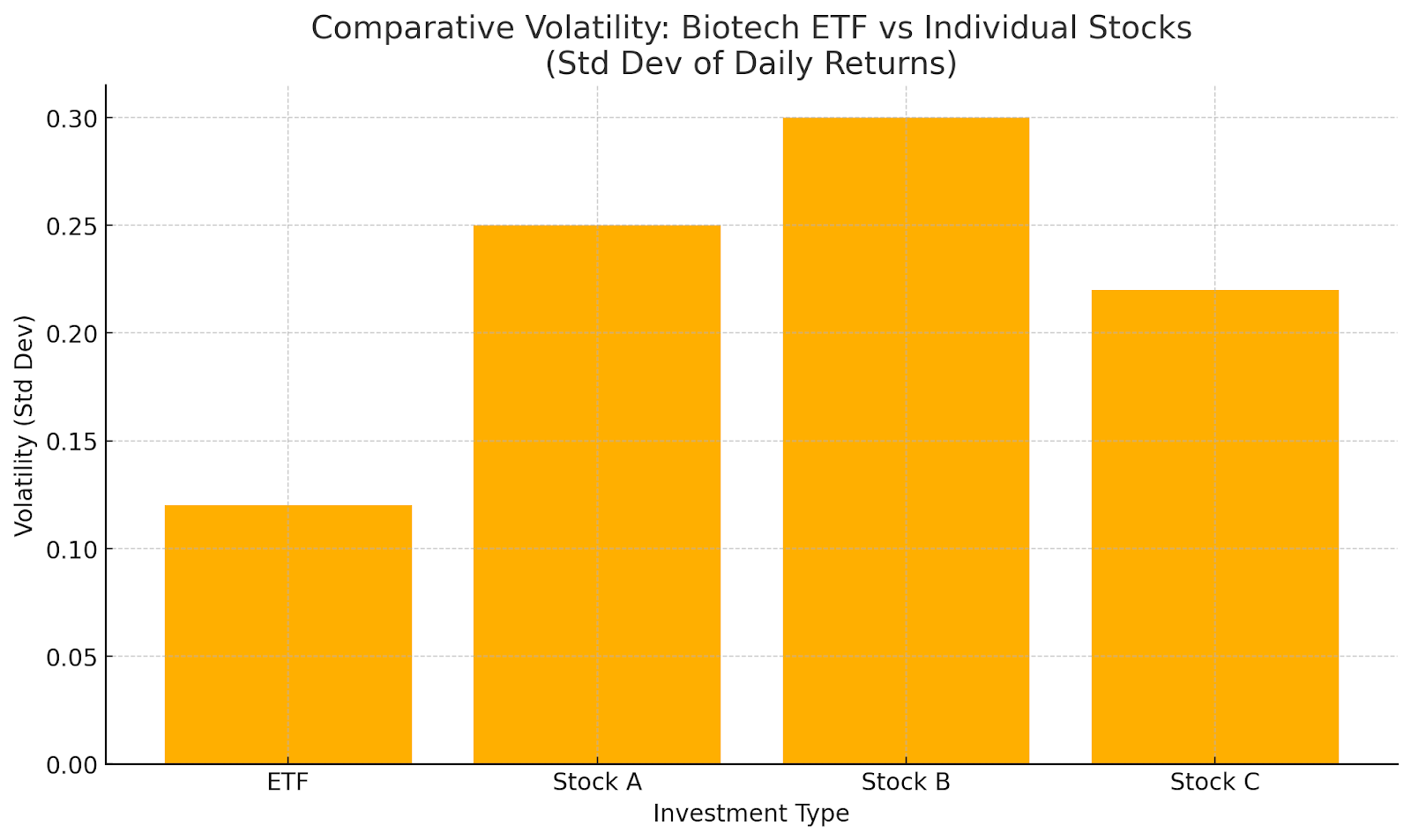
Exchange-traded funds, or ETFs, give most investors the best way to get into biotech while keeping risks manageable. Biotech ETFs let you put money into a whole basket of health care companies in just a single investment. This spreads your risk across many companies instead of betting everything on one stock.
Focus on Growing Areas
Gene therapy and gene editing are getting lots of investment money, especially for rare diseases and inherited problems. These areas show the most promise for breakthrough treatments.
Here are key areas to watch for 2025:
Computers aiding medicine production: AI companies are making drug development faster and cheaper. This technology helps find new drug possibilities and makes clinical trials work better.
Rare disease treatments: These markets get faster government approval and have less competition. Companies that focus on rare diseases often get higher valuations.
Gene and cell therapy: Advanced treatments for cancer and genetic problems keep getting lots of investment.
Understanding Market Ups and Downs
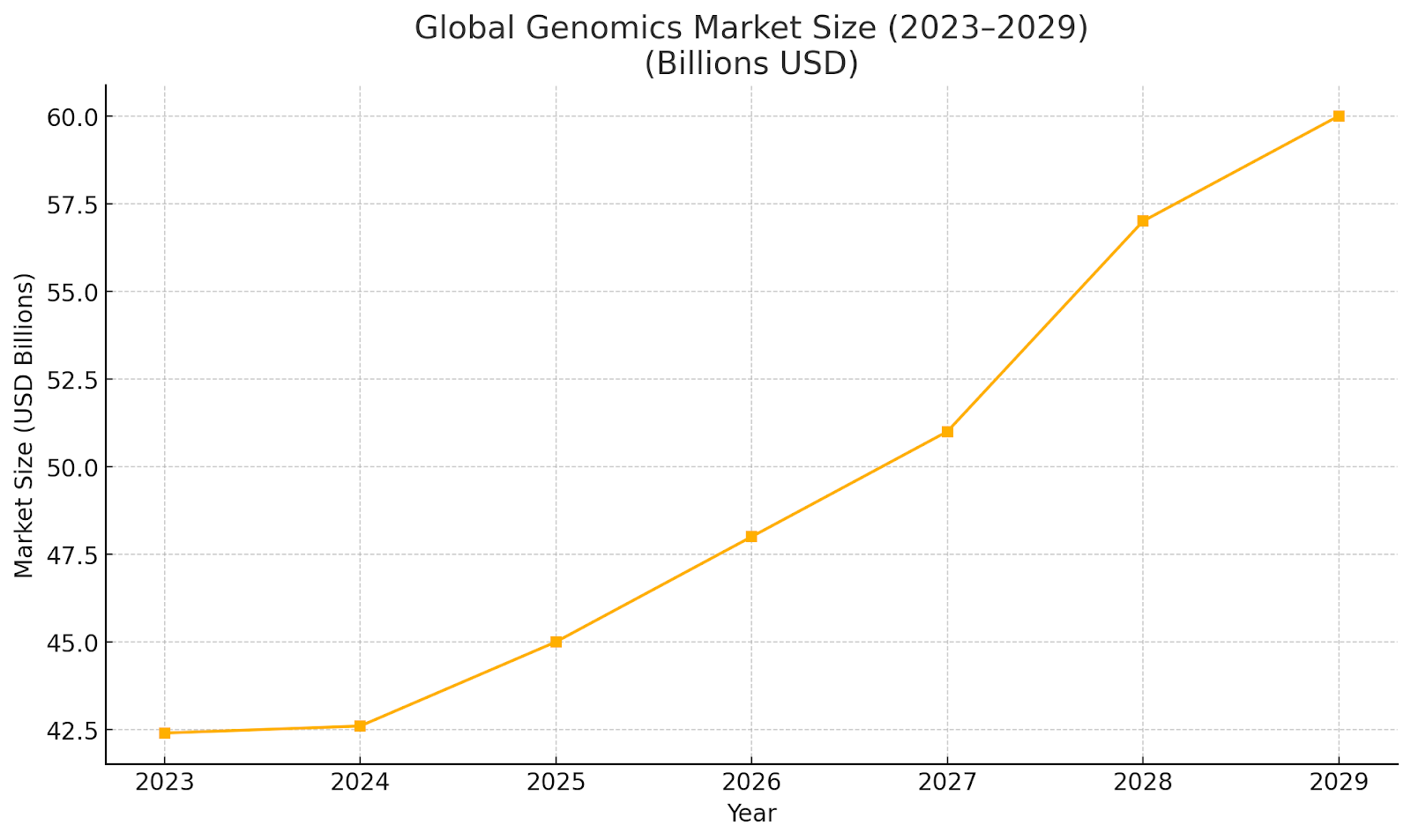
The biotech sector goes up and down in cycles. The global genomics market, valued at US$42.4 billion in 2023, stood at US$42.6 billion in 2024 and is projected to advance at a resilient CAGR of 9.4% from 2024 to 2029, culminating in a forecasted valuation of US$66.8 billion by the end of the period.
What's happening in the market right now:
Lower interest rates make biotech investments more attractive
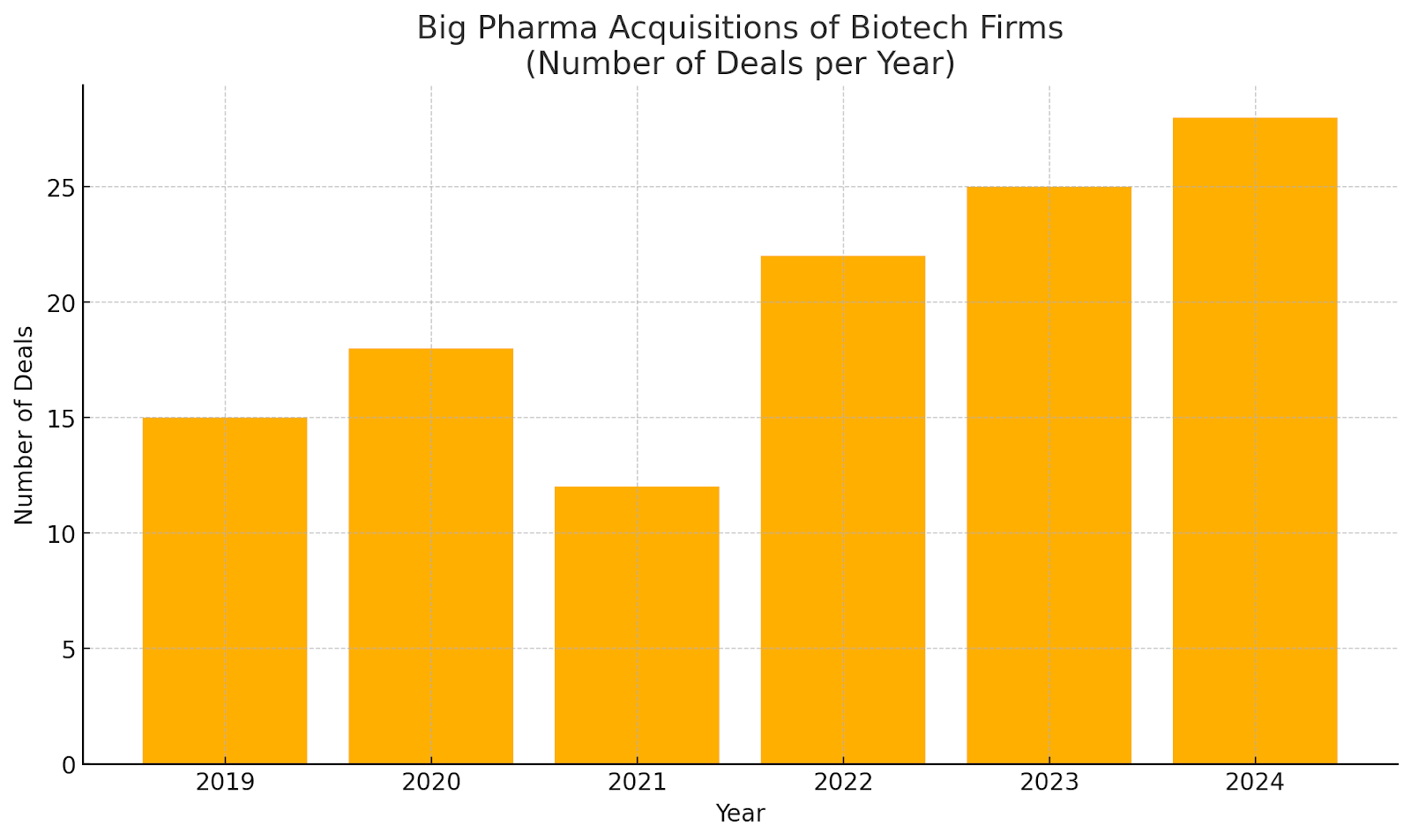
Big companies are buying out smaller ones: as their patents run out
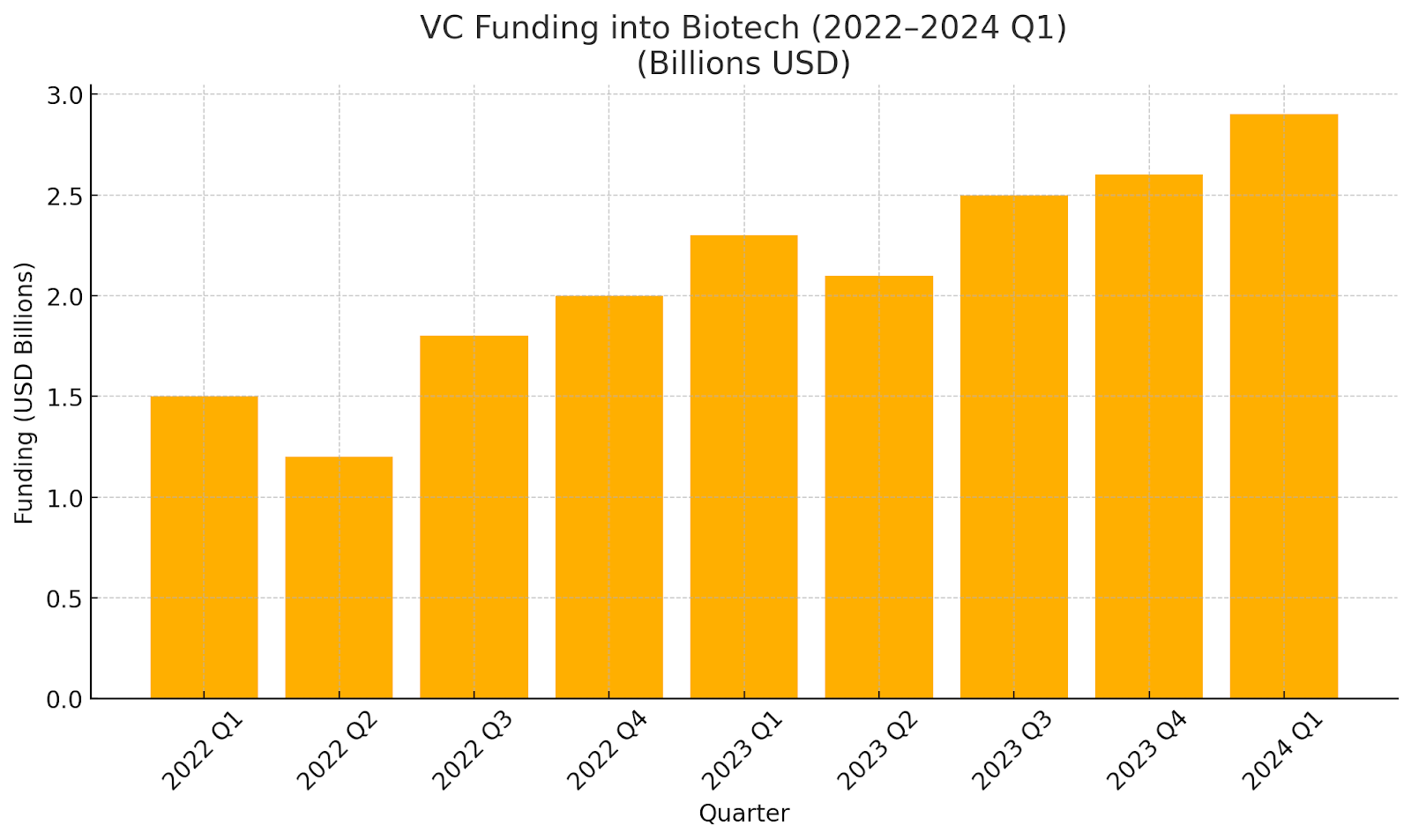
Money coming back: Venture capital investment is returning following the tough years of 2022-2023
Ways to Manage Risk
You could do much worse than to start small, keeping biotech investments to just 5-10% of all your money at first. Put in fixed amounts on a schedule instead of making one big investment. This helps reduce the impact when prices bounce around.
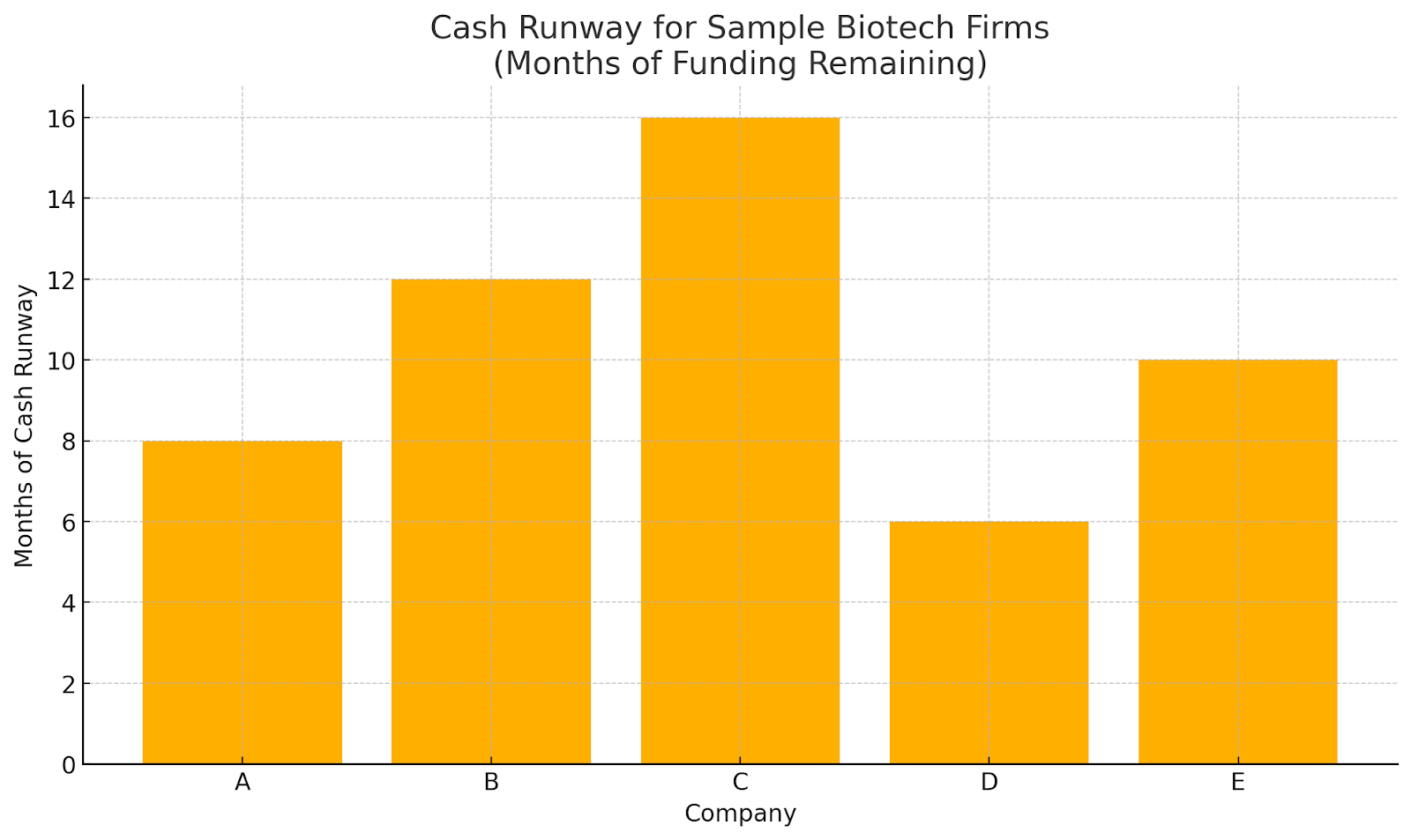
Beyond that, look for companies with cash, at at least 2-3 years' worth of money saved up. This gives them time to finish their tests and reach important goals.Follow FDA approval schedules and clinical trial results as well, since these events often trigger major price changes.
Crowdlending
Diversifying within biotech is key – but you don’t have to stop there. Platforms like Maclear give investors a way to reduce overall portfolio risk while supporting meaningful innovation. Maclear uses advanced credit models and spreads capital across hundreds of vetted businesses, making it possible to earn strong returns while backing causes that improve lives, including health-related ventures.
Investment Chances by Type of Company
Big-name genomics companies are more stable than brand-new biotechs.
Genomics Market Leaders
These companies make tools and services for genetic research and testing. Companies here include DNA sequencing technology providers, genetic testing services, and computer platforms for genetics.
The genomics tools market benefits from steady demand. Research institutions, hospitals, and drug companies need these services to make new medicines and take care of patients. These companies often have steady income through service contracts and equipment maintenance deals.
New Biotech Companies
Small biotech companies offer chances for bigger returns but come with bigger risks. These companies usually focus on making specific treatments or platforms for drug discovery. Look for companies with:
Management teams with proven track records who've done it before
Strong clinical trial data that shows their treatments are safe and work
Clear business paths with real market opportunities that they can reach
Early‑stage biotech companies often focus on areas like cancer, rare diseases, and brain disorders. Such paths are risky. But when a treatment succeeds and wins approval, the payoff can be huge.
International Exposure
Consider biotech investments around the world to lower the chance of government delays. Every country has its own rules and its own market habits. European firms often develop treatments you won’t see much of in the US. Asian companies sometimes make and test products more cheaply to save on costs. Investing globally also means experiencing different health systems and payment methods. That can shape how well a biotech product sells.
Common Mistakes to Avoid in Biotech Investing
Learning from other investors' mistakes can save you big losses in the biotech sector. Here are the most common errors that even experienced investors make.
Chasing Hot Trends Without Understanding the Science
Many people buy biotech stocks when they see headlines about “breakthrough” treatments. They skip learning how the technology works. They end up buying at peak prices, just before reality sets in.
Take the CRISPR craze a few years ago. Any company that mentioned gene editing in a press release saw its stock soar. It did not matter if they had the know‑how or any real edge. A better approach is simple. Spend time learning the basic science so that you get the full picture. Read their SEC filings and clinical‑trial reports instead of only skimming announcements.
Ignoring Cash Burn Rates
Biotech companies usually lose money for years while they develop treatments. Many investors focus on how big the potential market could be. They forget to check how long a company's cash will last.
Companies that run out of money often have to sell new shares at low prices. This dilutes existing shareholders. This dilution can wipe out gains even if the company's treatments show promise.
To fix this, always check how much cash companies burn through each quarter. Calculate how many quarters of funding they have left. Avoid companies with less than 12 months of cash unless they have clear funding plans.
Overreacting to Clinical Trial Results
Both good and bad clinical trial results often cause extreme stock price movements. New investors often buy after positive results when prices are high and sell after negative results when prices are low.
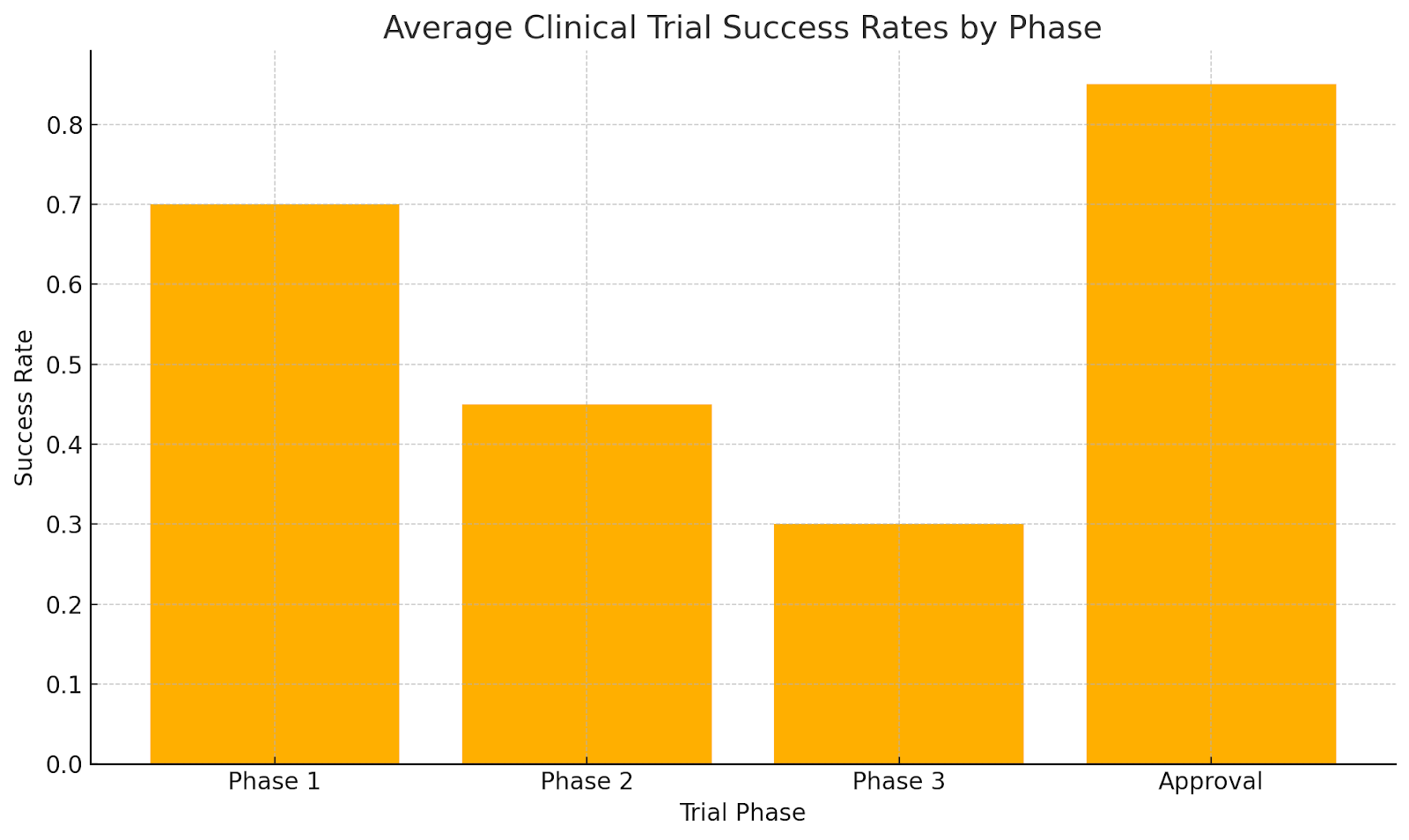
Clinical trials are uncertain by nature. Even successful Phase 2 trials can fail in Phase 3. Sometimes, treatments that show modest early results can surprise investors with strong final results.
Don’t forget that clinical trial results are just one piece of information in a long development process. Focus on how strong a company's entire pipeline is rather than single trial outcomes.
Timing Your Investment
Biotech needs patience and discipline. It often swings between excitement and pullbacks. Interest rates have steadied after the Fed cuts. Big drug companies are buying smaller ones to replace lost patents. AI is speeding up new medicine research.
Government programs keep funding biotech work. Funding jumped in 2024, with over $2.9 billion raised in Q1 so that firms have what they need for trials. Partnerships between large and small companies are on the rise to share risk.
Conclusion
Biotech and gene science firms afford great chances to invest in life‑saving advances. Experts expect the biotech market will hit $5 trillion by 2034. Talk with a trusted financial advisor so that you get advice that fits your goals. Healthcare is entering a new era now, and informed investors can join this change.
Want to back innovation and resilience at the same time? Maclear lets you invest in real-world businesses, including those working at the cutting edge of health – through a diversified Swiss crowdlending platform.