5G, IoT, and Smart Cities: How to Invest in the Infrastructure of Tomorrow
04.12.2025
5 min
Updated: 30.07.2026
Your phone connects to the internet in seconds. Your car tells you about traffic jams before you hit them. The streetlights in your neighborhood grow brighter the more people that walk by at night. These everyday things show us that something bigger is taking place. City environments are getting more intelligent in the wave of 5G networks and connected devices.
This change represents one of the biggest infrastructure projects we've ever seen. Metropolises around the world are installing millions of sensors, upgrading to 5G, and building systems to design more efficient urban areas. For people who invest, this creates opportunities to make money in a market that could get really big over the next few years.
In This Article
The Problem Most Investors Don't See
When most people hear about smart cities, they think about buying shares in big tech organizations. That’s a woefully limited perspective, though. These aren't about one single company or piece of technology. These are entire ecosystems working together.
The problem is that most investors don't know what high-tech metropolises require in order to be able to function. They see some exciting news about self-driving cars or traffic lights run by computers, but they space on the basic stuff that makes these things possible. Without the proper foundation, intelligent municipality projects don't operate the way they’re supposed to.
This creates confusion for investors trying to separate real opportunities from marketing hype. Outfits often use smart city buzzwords to capture attention, even when their business doesn't have to do with urban technology.
Investmenting in Metropolises of the Future
Modern advanced municipalities require three primary technologies to work together.
5G networks: create the fast, instant connections needed for things to respond right away.
IoT devices: collect information from sensors, cameras, and monitoring equipment all over the area.
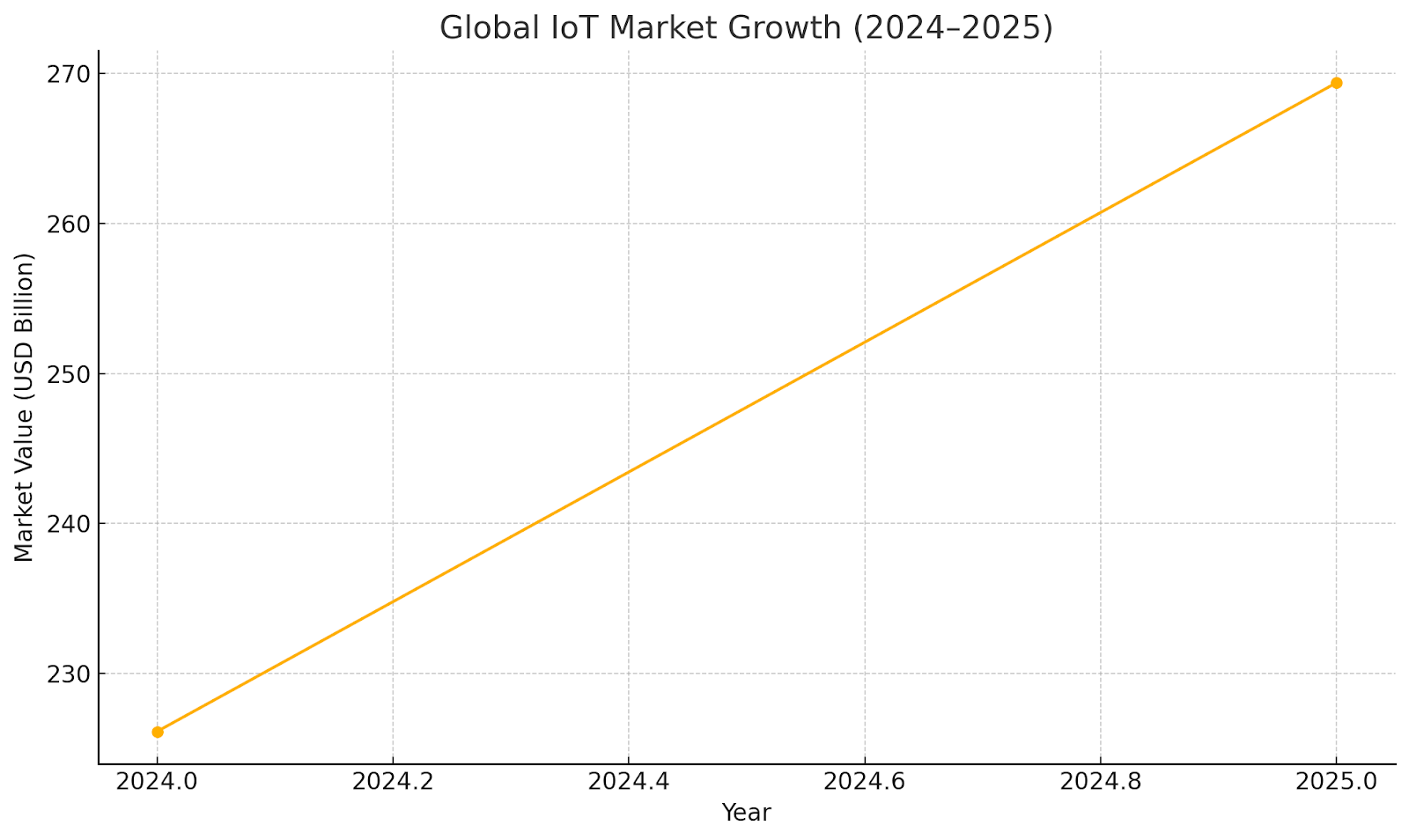
Computer systems look at all this information and make things happen automatically. The global IoT market in such metropolises will grow from $226.12 billion in 2024 to $269.38 billion in 2025, according to recent market research.
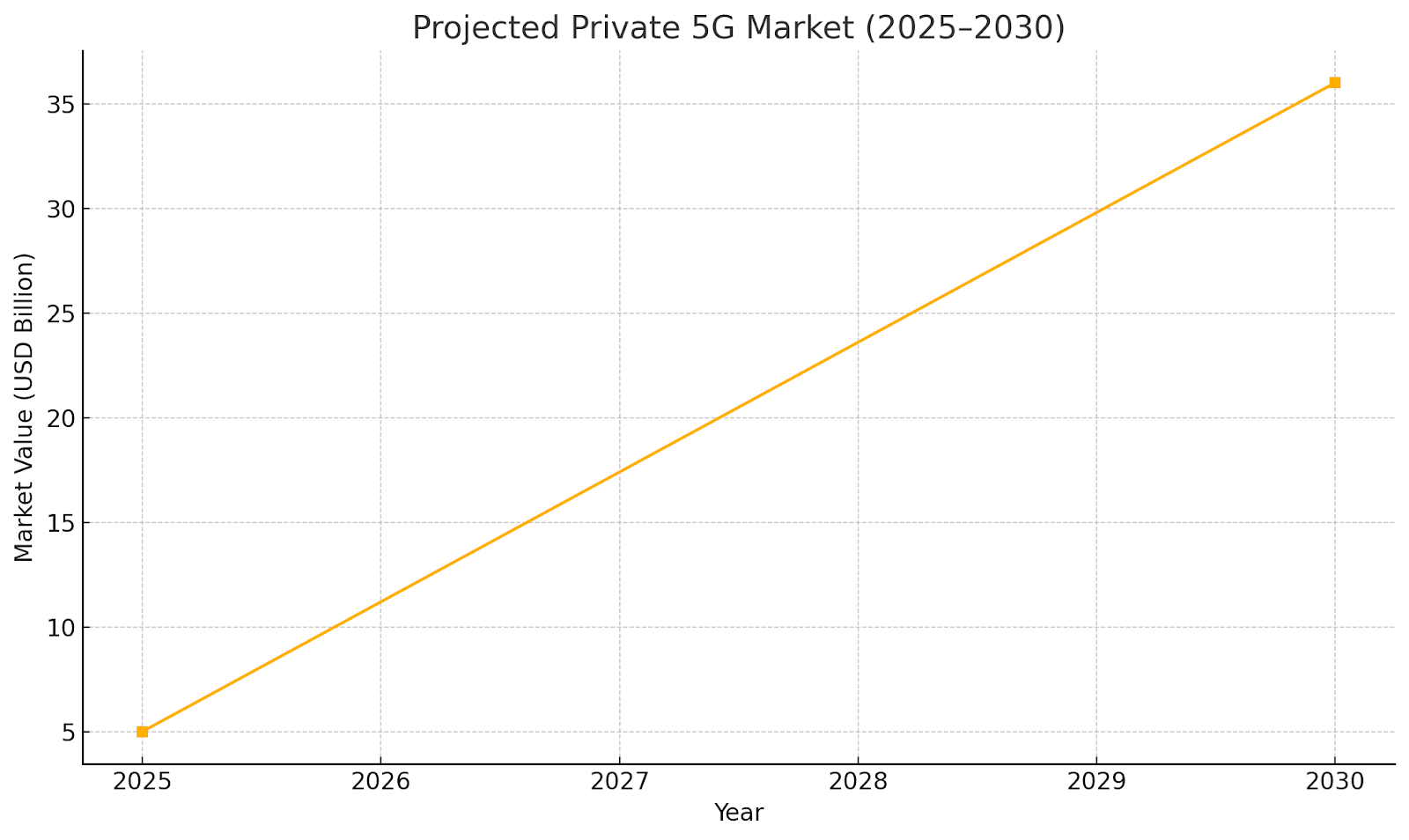
This means it's growing 19.1% each year. Metropolises are modernizing their systems and trying to be more sustainable. 5G technology works like the backbone for sophisticated urban apps. The global private cellular network market should grow a lot, reaching $36 billion by 2030.
This growth comes from needing reliable, fast connections that can handle huge amounts of data from IoT devices.
Investment Types and Market Opportunities
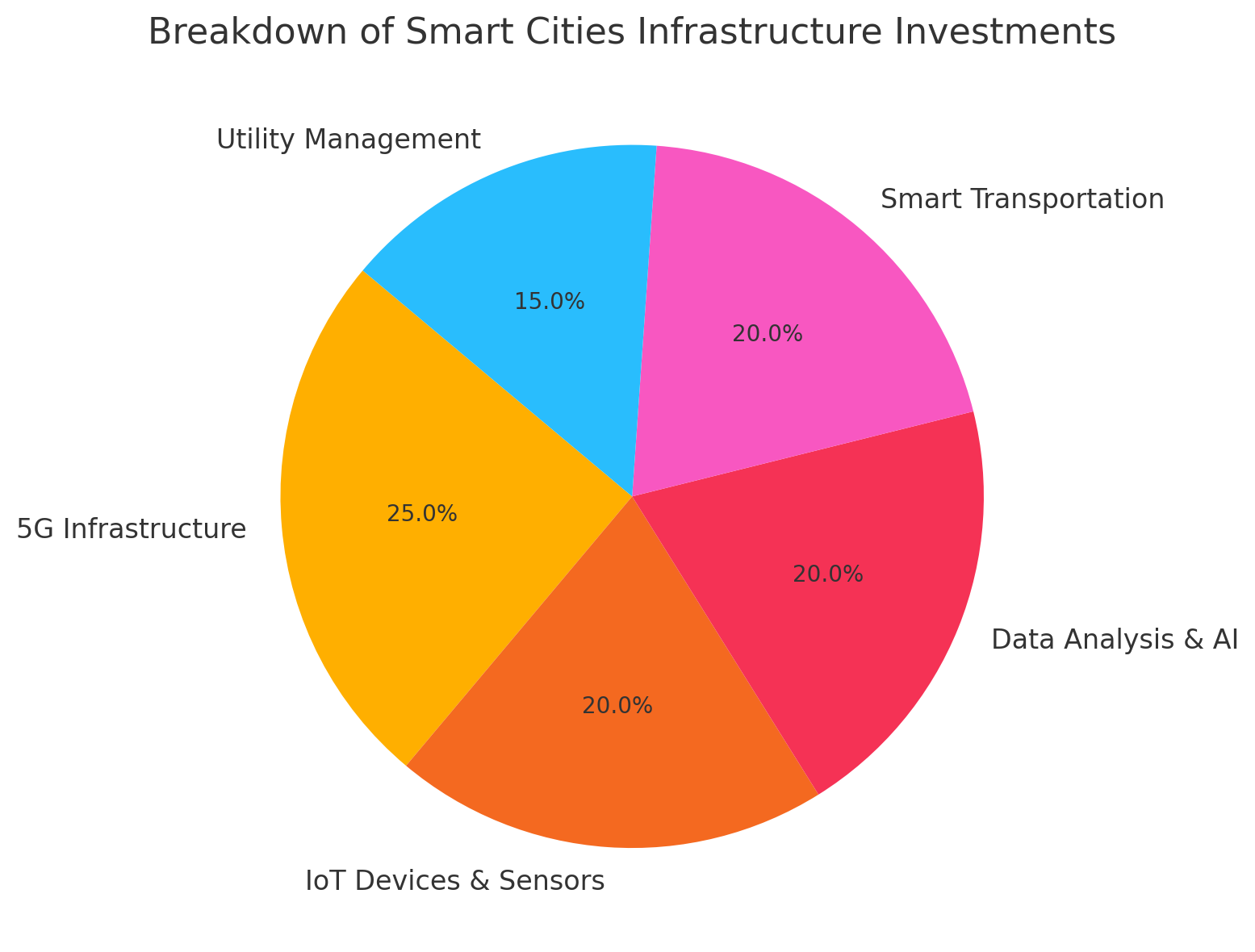
Advanced metropolis investments break down into several key areas:
Investment Type
What It Focuses On
What Drives Growth
5G connection
Network equipment, cell towers, fiber cables
Super-fast data, instant response times
IoT devices & sensors
Meters, traffic sensors, and air quality monitors
Real-time data collection, automated city management
Data analysis & AI
Processing platforms, prediction software
Turning sensor data into useful actions
Transportation
Electric car charging, traffic management systems
Fewer traffic jams, supporting self-driving cars
Utility management
Power grids, water monitoring, waste tracking
Using resources better, meeting green goals
When these technologies come together, experts call it AIoT (AI plus IoT). This mix facilitates metropolises not just collecting data, but making smart decisions in an automated fashion. Research shows that in 2025, AIoT apps will be common in keeping systems working, managing traffic in real-time, and affording people personalized public services.
As this convergence of infrastructure and intelligence accelerates, platforms like Maclear offer investors a unique path into high-growth sectors—without the volatility of betting on a single stock. By spreading loan risk across vetted business borrowers, Maclear helps finance progressive infrastructure ventures, making it easier for everyday investors to support smart urban development while earning attractive returns.
Ways to Invest Directly
The best smart city stocks focus specifically on urban technology solutions. Enterprises like EVgo (EVGO) run fast-charging networks for electric cars—a key part of ultra-modern transportation systems. Itron (ITRI) specializes in making utility data digital for energy, water, and gas management.
These focused stocks give direct access to advanced modern growth but come at a higher risk. Their success depends heavily on winning municipality contracts and growing their business at a profit. Before buying individual stocks, research each company's upcoming contracts, where their money comes from, and how they compete with others.
Exchange-Traded Funds (ETFs)
For broader access with less risk, ETFs give you pieces of a multitude of different companies in the field. The iShares Smart City Infrastructure UCITS ETF tracks companies directly connected to urban development. This includes transportation, IoT connections, and construction management solutions.
ETFs reduce the risk of betting everything on one single company while still catching the growth potential of flashy urban advancements. They usually hold stocks from different regions and technology areas to give you some built-in variety.
Infrastructure Investment Trusts
Some investors opt for real estate investment trusts (REITs) and infrastructure funds that focus on physical assets needs. These include cell tower companies, fiber optic network operators, and data center owners. While less directly tied to sophisticated urban environment technology, these assets benefit when demand for connection utilities goes up.
Key Companies and Market Leaders
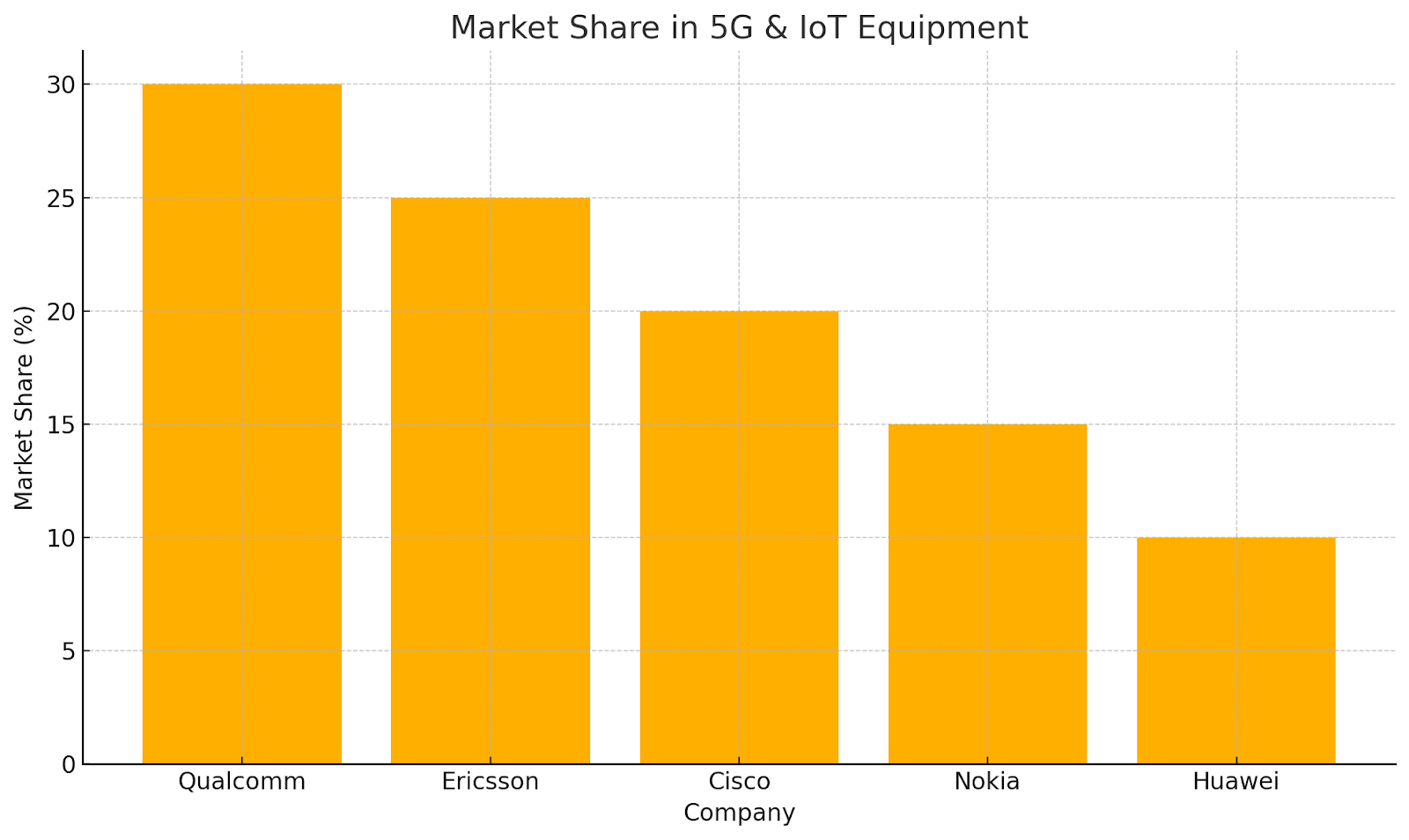
The world of urban core enhancements includes big established tech titans and newer specialists. Major players in the 5G apps and services market include:
Cisco: focuses on network systems and IoT connection management. Their platforms help local governments manage millions of connected devices and handle the data they create. Cisco thinks connected municipality systems will grow by 26% each year, while connected cars will grow by 30% each year.
Qualcomm: produces the processors and communication chips that power IoT devices and cellular equipment. Their technology makes the low-power, reliable connections that sensors need.
Ericsson: provides cellular network equipment and software platforms. They focus especially on private 5G networks for industrial and municipality uses.
Other big players like Huawei, Nokia, and Intel
Investment Risks to Think About
Investing in ultra-modern locales poses its own set of headaches. Tech moves so fast that enterprises can fall behind if they don’t update to new standards. Rules keep shifting, too, as government policies set the pace for rolling out fresh solutions.
Tight local budgets add another layer of risk. Many towns don’t have enough cash for big construction upgrades, so projects can stall or even get scrapped. In a weak economy, officials tend to cut back on tech that isn’t essential.
Privacy and security worries can slow things down as well. Urban centers gather more data about daily life, so public pushback against heavy monitoring can force some pilots to pause.
Making Shrewd Investment Choices
First, figure out the risk you can handle and how long you want to stay invested. Forward-thinking metropolises move slowly. They’ll grow over decades, not just a few years. Short‑term bets will feel wild when projects get announced or earnings roll in.
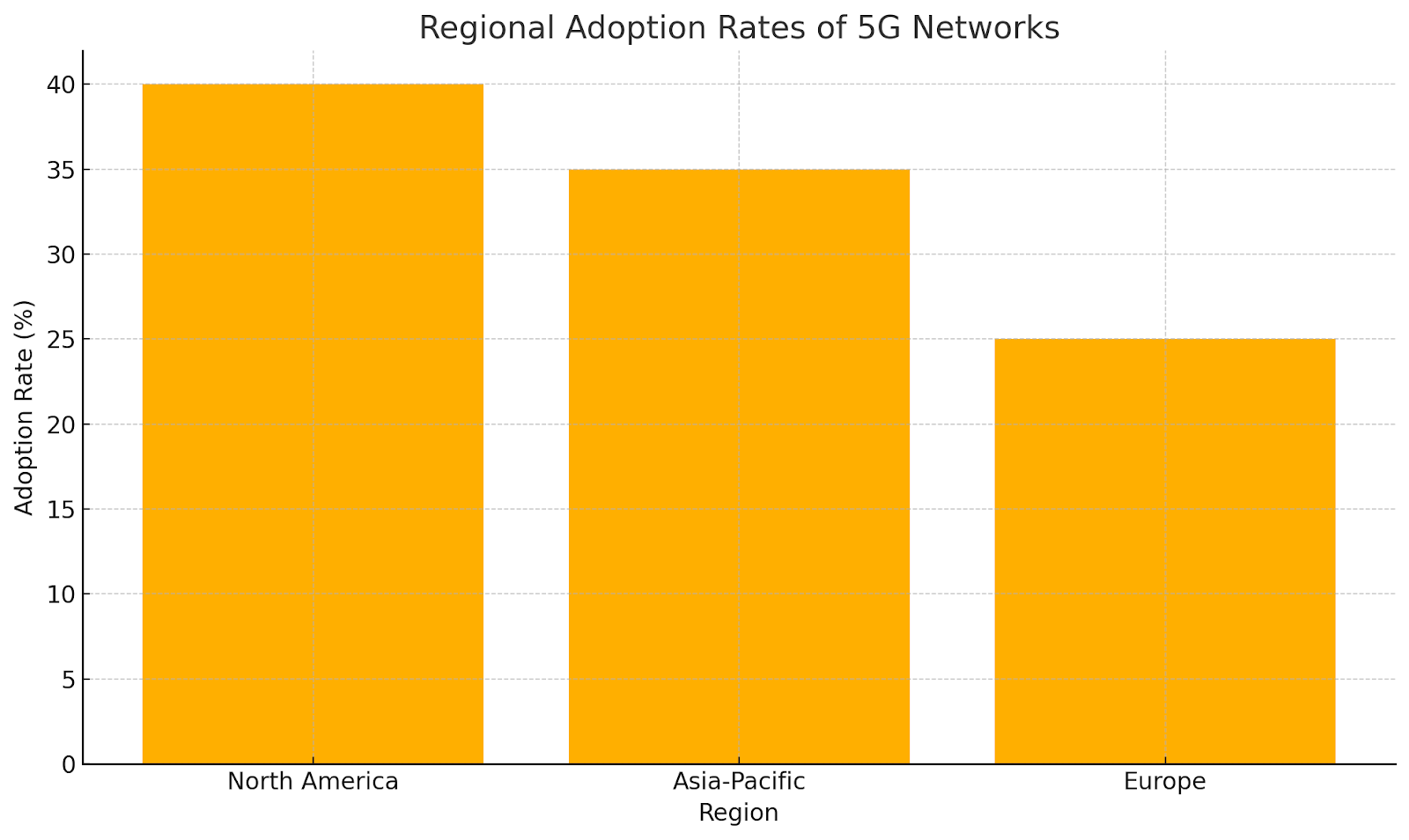
Your location matters too. Some places roll out intelligent city ideas faster than others. North America and parts of Asia are racing ahead with 5G. In Europe, locales focus more on saving energy and going green.
Study each company’s model closely. Pick ones that get steady money from software subscriptions or service deals instead of one‑off equipment sales. Firms that prove they help metropolises save time or money often win repeat contracts.
And keep a mix across different tech and both big and small firms to cut concentration risk.
The Path Forward
The smart city’s infrastructure represents a basic shift in how urban areas work and grow. The coming together of 5G networks, IoT devices, and data analysis creates real opportunities for investors who understand the underlying technologies and market dynamics. Success in this space takes patience and careful picking. The most promising investments combine proven technology with clear paths to making money and strong competitive positions.
Interested in backing the infrastructure powering tomorrow’s connected cities—without the complexity of stock picking? Maclear makes it possible to invest in forward-thinking businesses through a Swiss crowdlending platform that blends profitability with purpose.