The Rise of Quantum Computing: Too Early or Time to Jump In?
11.12.2025
6 min
Updated: 30.07.2026
Think back to 2005. If someone had told you that a digital currency called Bitcoin would someday be worth over a trillion dollars, you might have laughed. Or that watching movies online would completely kill video rental stores. These ideas seemed crazy at the time.
Today, we're in a similar spot with quantum computing. This technology is so powerful it could make our best computers today look like toys from the Stone Age.
But here's what keeps investors up at night. Is quantum computing ready to make money, or are we still waiting decades for real results? The answer is more complex than most people think.
In This Article
The Problem: Sorting Through the Hype
Following quantum computing news lately feels like riding a roller coaster. One day you read about Google's new chip solving problems in minutes that would take regular computers longer than the universe has existed. The next day, you hear Nvidia's boss saying useful quantum computers are still 15 to 30 years away.
This back-and-forth creates real headaches for people wanting to invest. Jump in too early and your money might sit there doing nothing for decades. Wait too long and you miss the chance to get in on the ground floor of the next big thing.
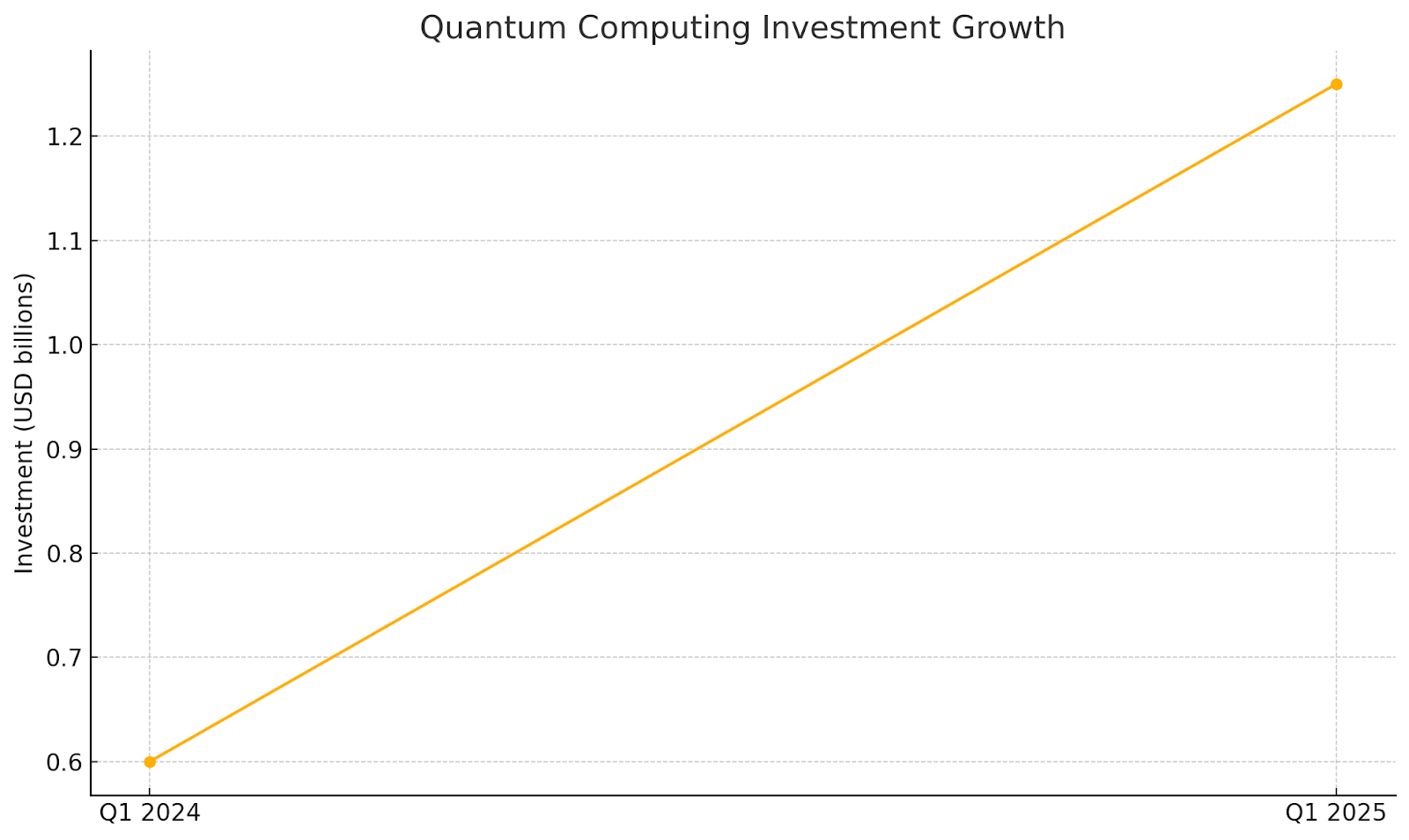
The situation gets even messier when you look at the numbers. Most computing companies are burning through cash with no clear way to make money. Organizations like IonQ brought in just $7.5 million in the first quarter of 2025 while spending $83.2 million on costs. Meanwhile, the market is exploding with growth. Investment in quantum computing shot up to over $1.25 billion in the first quarter of 2025 – more than double what it was the year before.
Understanding Where Investments Stand
The numbers tell an exciting story. The quantum IT market is growing fast across different research reports.
Research Company
2024 Market Size
Future Projection
Growth Rate per Year
Fortune Business Insights
$1.16 billion
$12.6 billion by 2032
34.8%
Grand View Research
$1.42 billion
$4.24 billion by 2030
20.5%
Precedence Research
$1.44 billion
$16.4 billion by 2034
30.9%
These numbers suggest we're looking at a market that could grow anywhere from 3 times to 11 times bigger over the next decade. But with such different predictions, it's clear that even the experts struggle to know exactly how fast this technology will develop.
What the Investment Boom Means
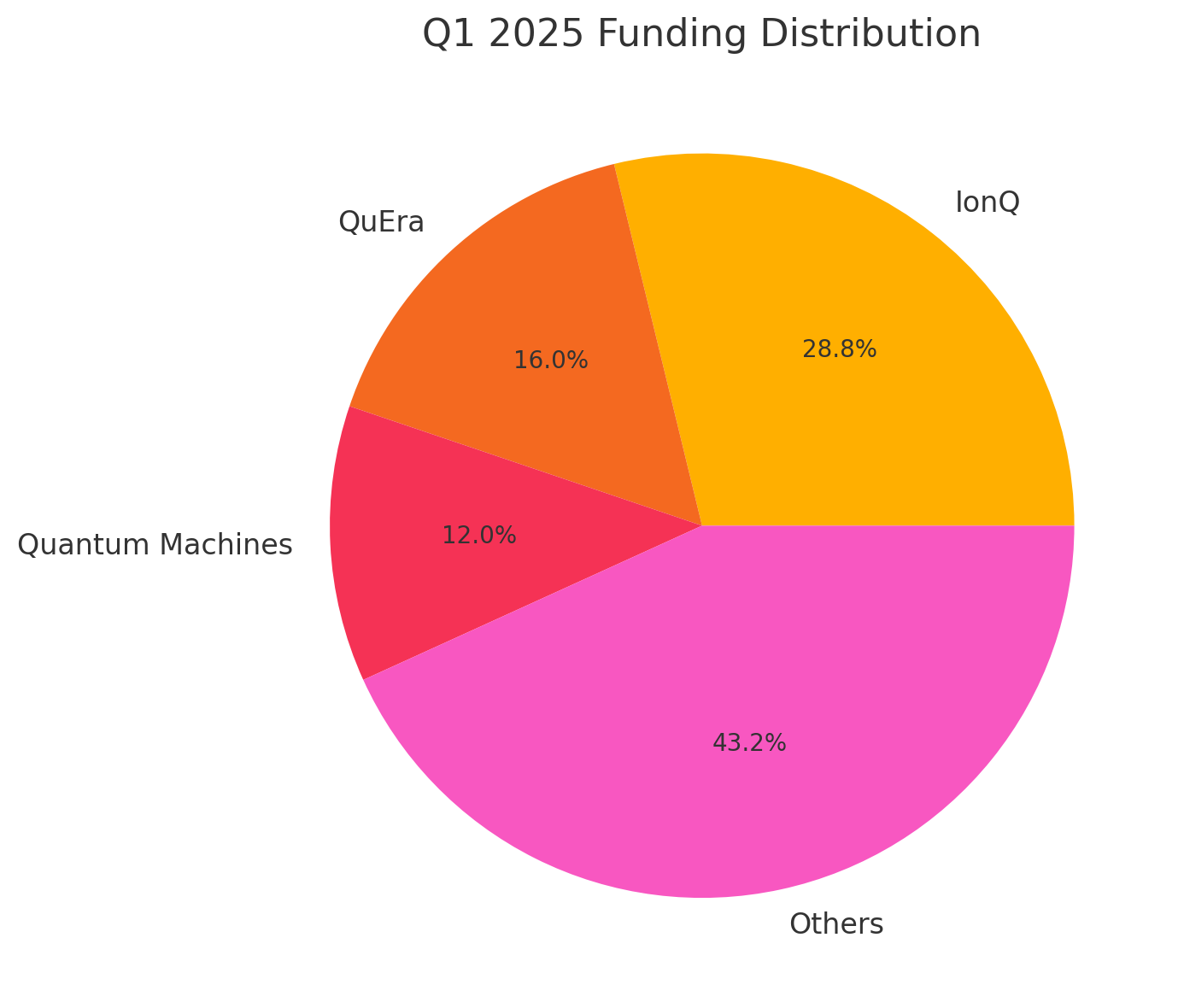
The surge in investment isn't just excitement – it shows a real shift in how the industry thinks about making money from this technology. According to The Quantum Insider's research, IT enterprises got more than 70% of all quantum-related funding in the first quarter of 2025.
Big funding rounds went to orgs like IonQ with $360 million, QuEra, and Quantum Machines.
This focus on hardware enterprises suggests investors believe we're moving from pure research to actual business applications. Three main things are driving this shift. Technology is getting better and more stable. More businesses are showing interest. Countries are competing to stay ahead in technology.
Timeline Debates: The Big Split
The quantum world is divided on when this technology is actually going to start making real money. This creates both opportunity and uncertainty for investors.
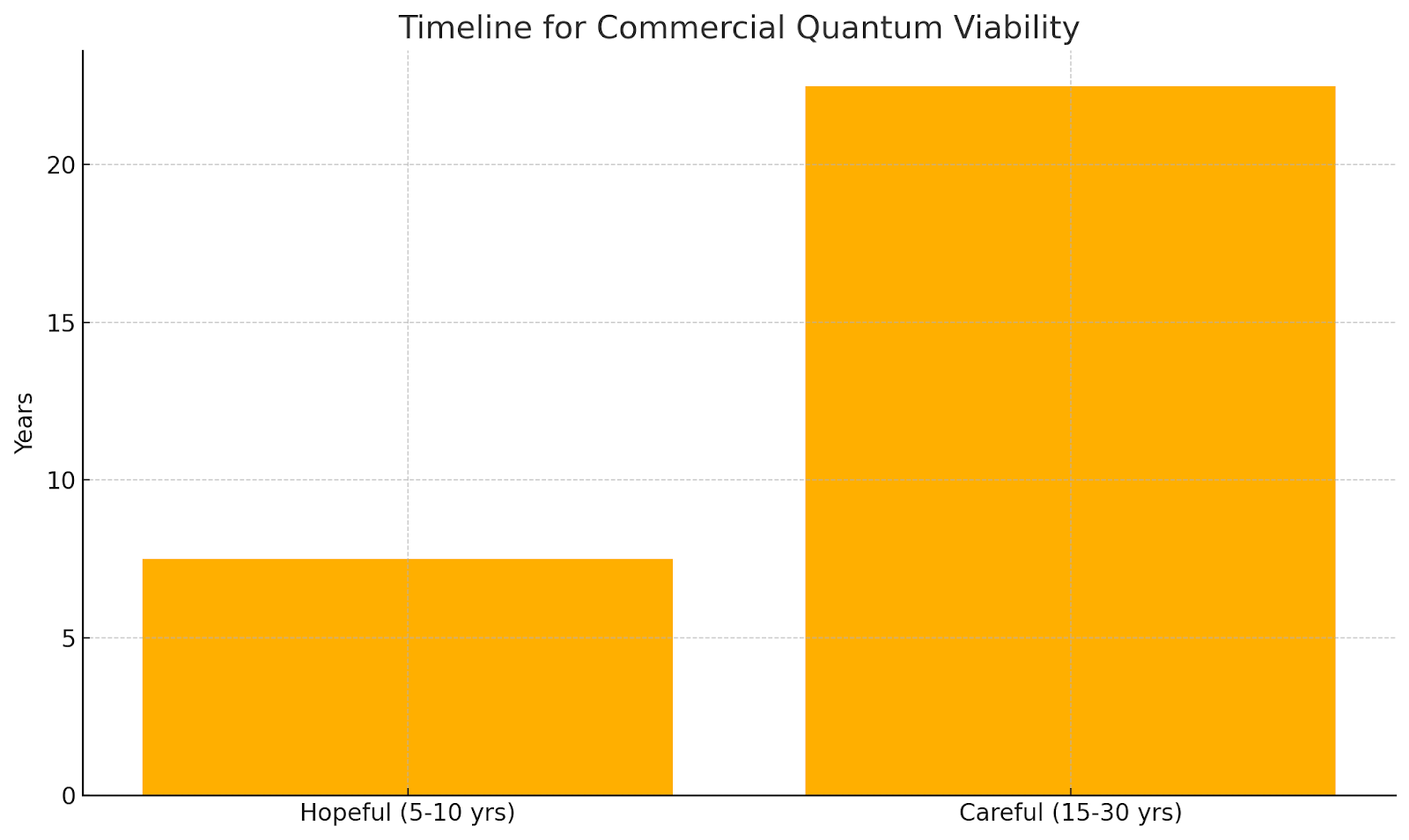
The Hopeful Group (5-10 Years)
Google's Hartmut Neven thinks commercial applications will happen within five years, especially for materials science, drug discovery, and energy. D-Wave CEO Alan Baratz says that certain types of super computing are already helping businesses solve problems today. Then there are several outfits today like PsiQuantum aiming for commercial quantum computers by 2030.
The Careful Group (15-30 Years)
Nvidia CEO Jensen Huang thinks it will take 15-30 years for "very useful" super computers. Many university researchers point to ongoing problems with errors and building bigger systems. Notably, IBM has a more conservative plan targeting 100,000 quantum bits by 2033.
This uncertainty about timing creates both risk and opportunity. Early investors might have to wait longer than they expect. But they could also make huge gains if breakthroughs happen faster than predicted.
Smart Ways to Invest
Projects Focused Only on Quantum: These put all their effort into technology, but carry higher risk because they depend completely on the technology succeeding. Most aren't making money yet.
Key players are:
IonQ (IONQ): Uses trapped-ion technology and has strong partnerships
Rigetti Computing (RGTI): Offers cloud-based super-charged IT services
D-Wave Systems: Specializes in systems for solving optimization problems
Big Tech Orgs with Quantum Divisions: These have research teams but make money from other sources, too. This provides more stability while still giving you exposure to advances.
Key players:
Alphabet (GOOGL): Created the breakthrough Willow chip and has $95.7 billion in cash to fund research
IBM: Strong roadmap focused on business use and profitable traditional business
Microsoft: Partnerships and mixed software development approaches backed by cloud revenue
ETF Strategies for Broad Exposure
For investors wanting exposure to quantum without picking individual stocks, the Defiance Quantum ETF (QTUM) gives you access to companies across the programming world. Currently trading around $75.38, it includes both pure quantum and big tech firms with such divisions.
For forward-looking investors, diversification is key – especially in emerging tech. Maclear, a Swiss crowdlending platform, lets you invest in a curated range of progressive businesses, using smart credit scoring and pooled risk models. While quantum plays out long term, Maclear offers a stable, high-yield route to support innovation right now.
Location and Application Focus
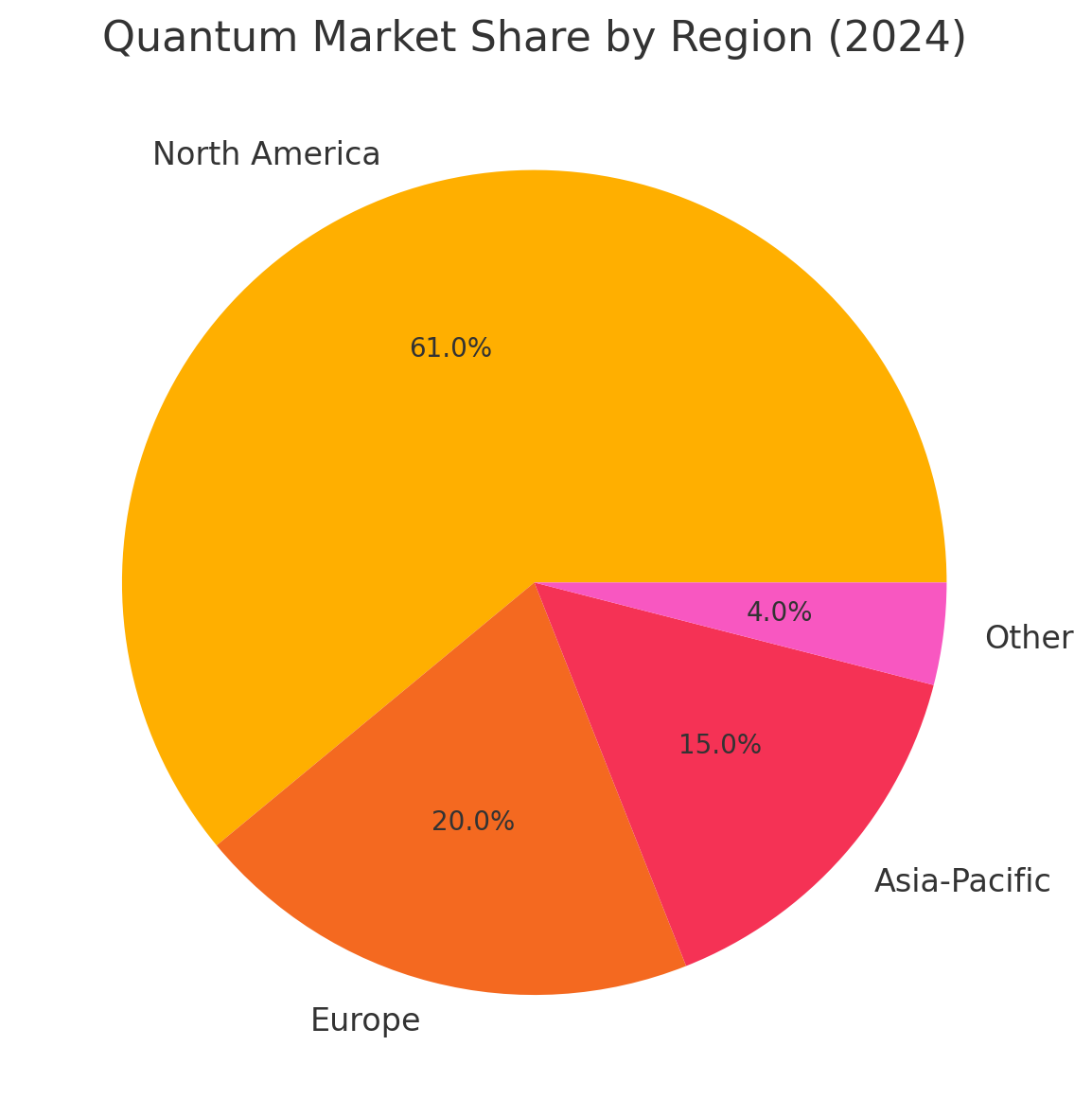
The market shows interesting patterns by region that could influence investment choices.
North America: Holds 61% of the market, led by US government programs and private investment
Europe: Growing fast with strong government support through the Quantum Flagship program
Asia-Pacific: Expected to grow significantly, especially in China, with massive government investment
Key Investment Risks to Think About
Technical Challenges
Super computing faces several basic technical hurdles that could delay when it becomes profitable.
Error Problems: Current quantum computers make lots of mistakes and need complex systems to fix them
Size Issues: Building systems with millions of bits needed for practical uses remains hard
Stability Problems: Quantum systems need extremely cold temperatures and special equipment
Market Risks
There are not enough skilled workers. Demand for such workers could reach 10,000 by 2025, with supply under 5,000. The industry may see big companies buying smaller ones as weaker players fail to get funding. Government policies around quantum technology exports and national security could hurt international enterprises too.
Opportunities for Smart Investors
Near-Term Uses Showing Promise
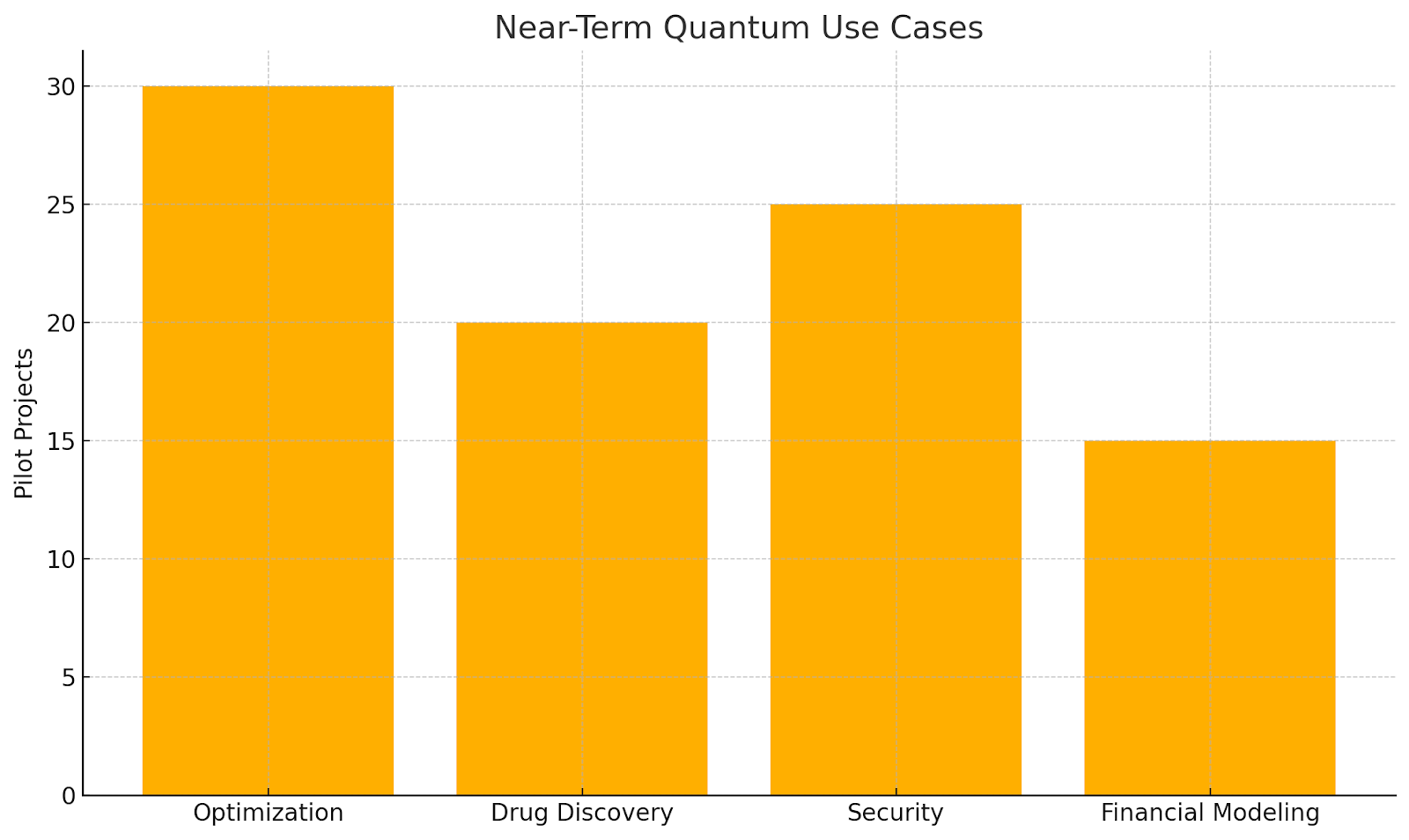
While universal quantum computers may be years away, several uses are showing potential to make money soon. They’re already being used by companies for shipping logistics and financial modeling. Drug manufacturers are exploring quantum simulations for understanding molecules as quantum has now been leveraged for key sharing and new encryption methods. Then there are banks testing super computer methods for risk analysis and managing investment portfolios
When to Invest
The current market has both risks and opportunities.
Reasons to think about investing now:
Record investment growth shows industry confidence
Major technical breakthroughs reducing error rates
Businesses are starting to use it for specific problems
Government support is speeding up development
Reasons to wait:
High ups and downs and speculation in quantum stocks
Uncertain timeline for when it will make money
The risk that technology changes could make current approaches outdated
Current stock prices may not reflect long-term risks
Making the Decision: A Balanced Approach
Based on current market conditions and technological progress, risk-tolerant investors should: allocate 2–5% to the field via ETFs (QTUM), tech giants (Alphabet, IBM, Microsoft), and 1–2 pure plays. Careful investors on the other hand should wait for clear revenue and track tech leaders, explore materials, or cybersecurity.
Quantum’s revolution demands patient, long‑term growth. Companies across industries are already using these advanced systems for specific optimization problems, and breakthroughs like Google's Willow chip show that technical barriers are falling.
Final Thoughts
The key is to invest in quantum computing with clear goals and careful planning. Don’t focus on finding the perfect moment to buy in. Instead, get ready for a technology that can change IT over the next ten years. Jump in now or hang back for more updates. Either way, advanced IT deserves your attention. It will reshape our world, so you can gain when it does.
Don’t wait decades to back the future. With Maclear, you can support cutting-edge businesses—from green energy to next-gen tech—while earning strong returns through a proven crowdlending model.