The Future of Space Exploration: Is SpaceX the New Frontier for Investors?
02.12.2025
6 min
Updated: 29.07.2026
Your neighbor just bought a Tesla. Your friend won't stop talking about crypto. But here's something interesting – the next big money-making chance might be floating right above our heads. SpaceX sends rockets up every week. Starlink satellites bring remote regions their first taste of internet. Plans for Mars trips are becoming a real possibility, not just the stuff of films and fantasies.
This brings up something worth thinking pondering. Exploration of the cosmos, with SpaceX leading the way, could be where the smart money lies next.
In This Article
What Most People Get Wrong About Space Investing
Most investment advice sticks to the usual stuff. Tech stocks, healthcare providers, houses, and land. The thing is, lots of folks are totally spacing on one of the fastest-growing businesses on Earth. And above it. Astronomical tech outfits, meanwhile, remain obscured behind fancy fast talk and technical jargon that make them seem impossible to reach.
Here's the bigger issue. Most people think investments going beyond the Earth are either too risky or just plain impossible to get into. They figure you need millions of dollars or secret connections to play in that game. This misconception deprives investors of huge chances while the space industry explodes all around them.
There's another headache stifling things too. Space organizations often count on government deals, official approvals, and rockets that work. These things create turbulent money flows that can bug investors who prefer steady earnings every three months. Lots of people who might invest get fed up with this up-and-down stuff and pass in favor of safer, more predictable markets.
The Cosmic Money Game: Where to Discover Your Opportunities
The economy of the final frontier is much more than rocket ships and astronauts. This field covers:
satellite talk systems
watching Earth from orbit
GPS-type systems
leisure trips in rocket ships
someday maybe procuring valuables from asteroids or the Moon
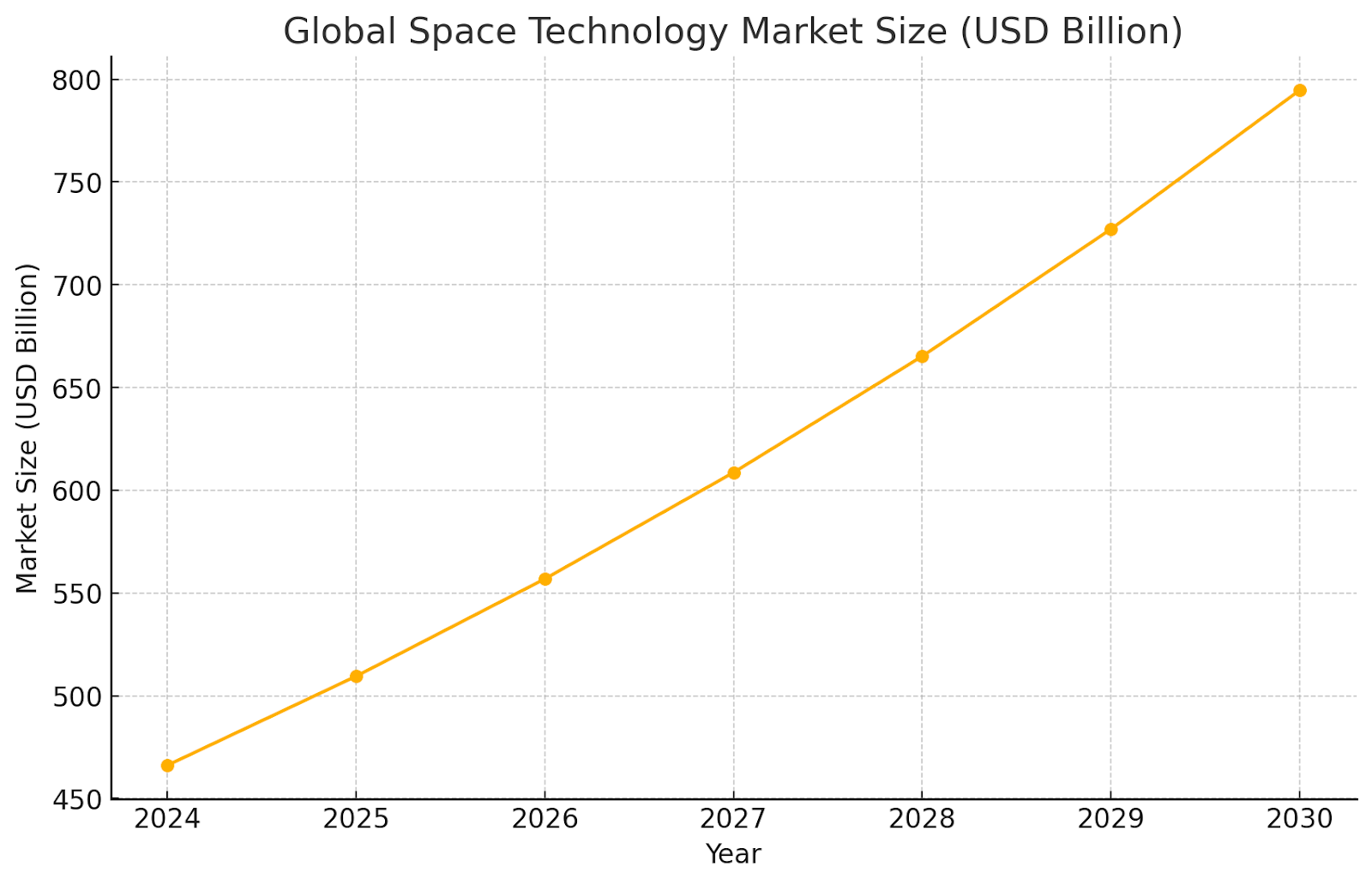
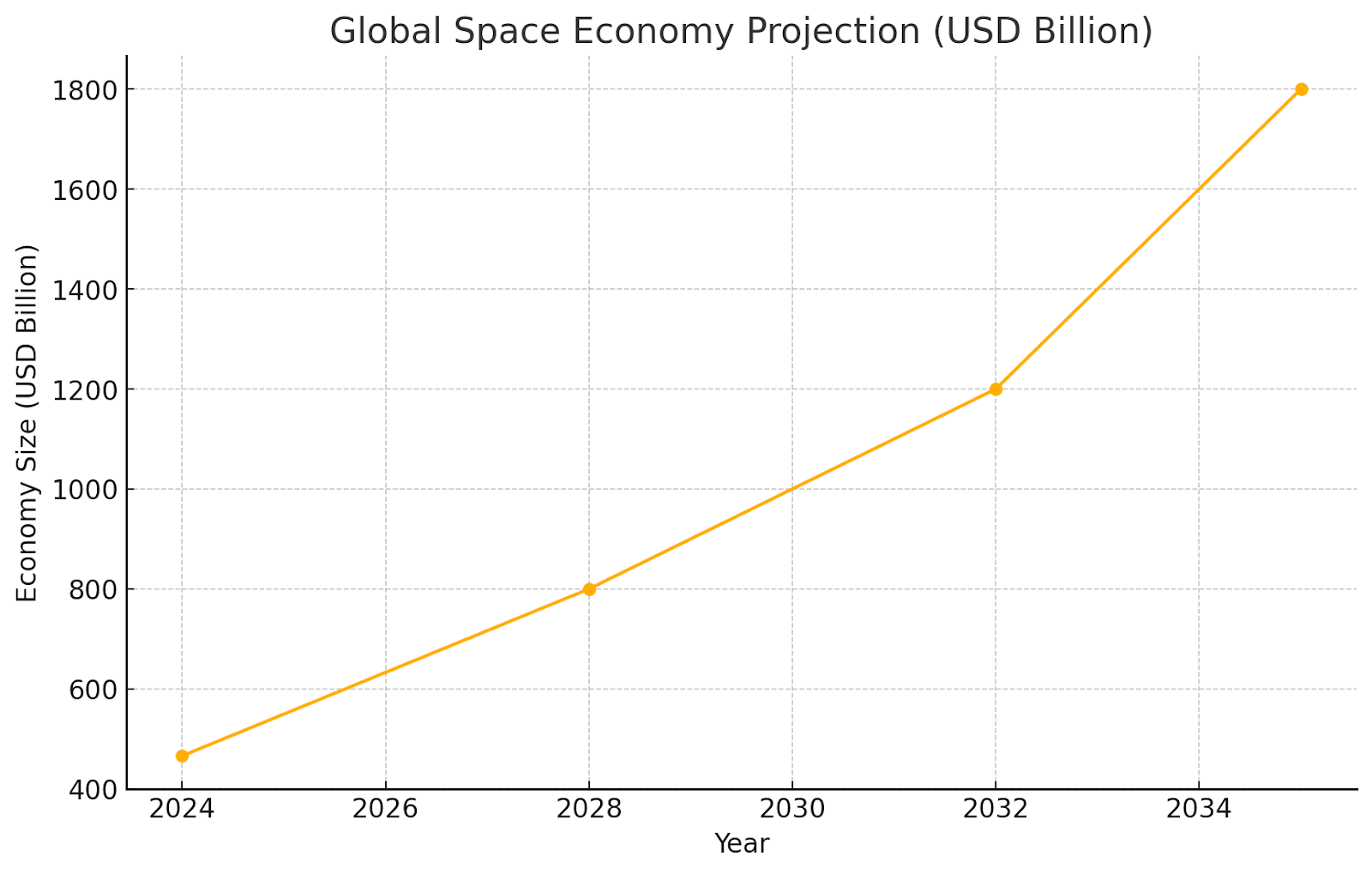
According to Grand View Research, the global cosmological technology market size was estimated at USD 466.1 billion in 2024 and is expected to grow at a CAGR of 9.3% from 2025 to 2030.
This growth beats most regular sectors by a wide margin. The reason is simple – it costs way less to launch stuff now, and more enterprises are finding ways to use space tech.
In order to facilitate this, a lot of projects that are now getting into the industry are doing it by way of crowdlending. Much smaller outfits and startups are able to gather credit from an extensive list of investors if they pass sophisticated credit checks. Maclear, for instance, programs conditions such as collateral right into the smart contracts.
SpaceX: The Clear Winner
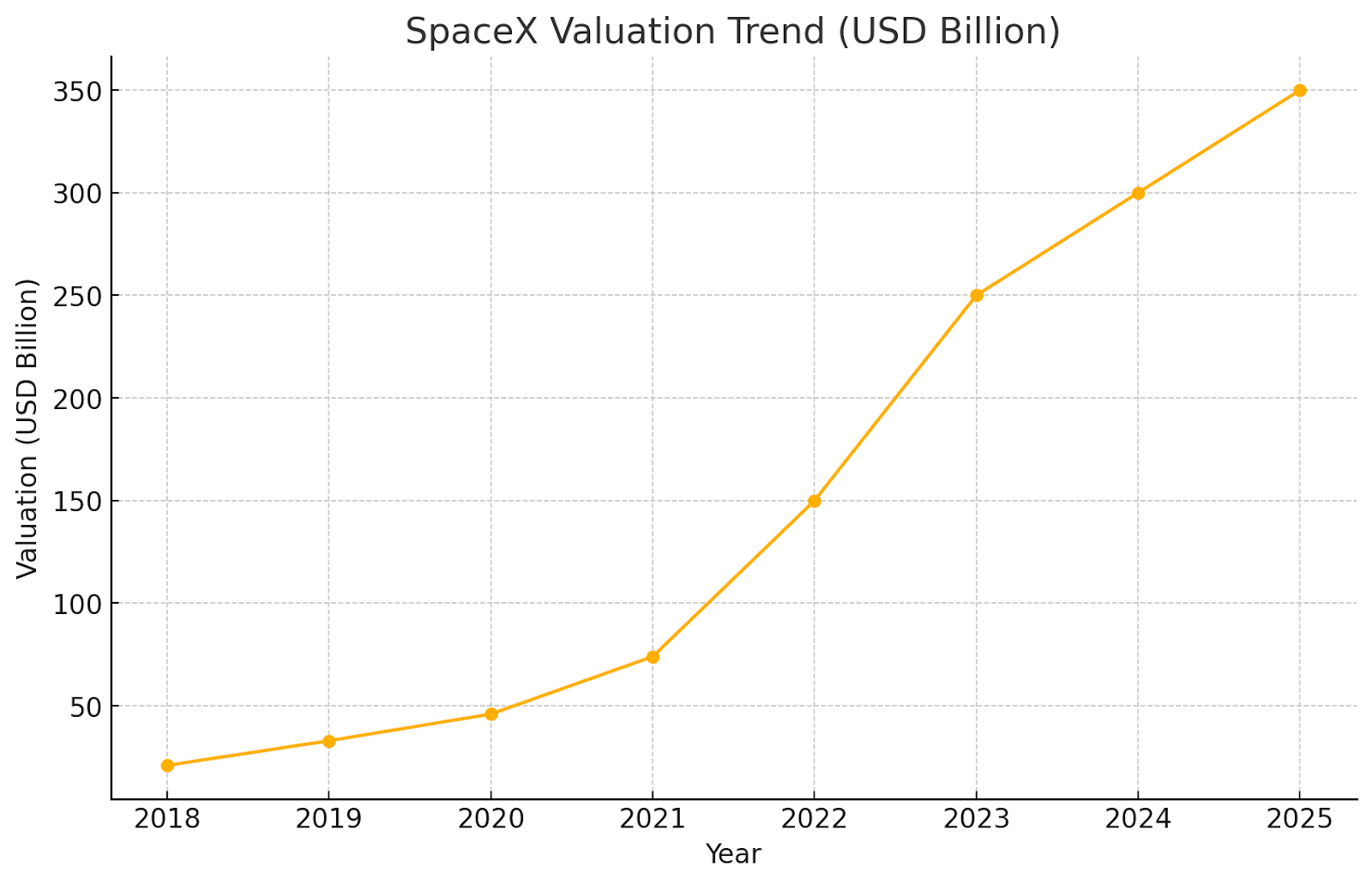
This is the most valuable private company anywhere involved in the final frontier. According to The Motley Fool, as of early 2025, it was valued at $350 billion.
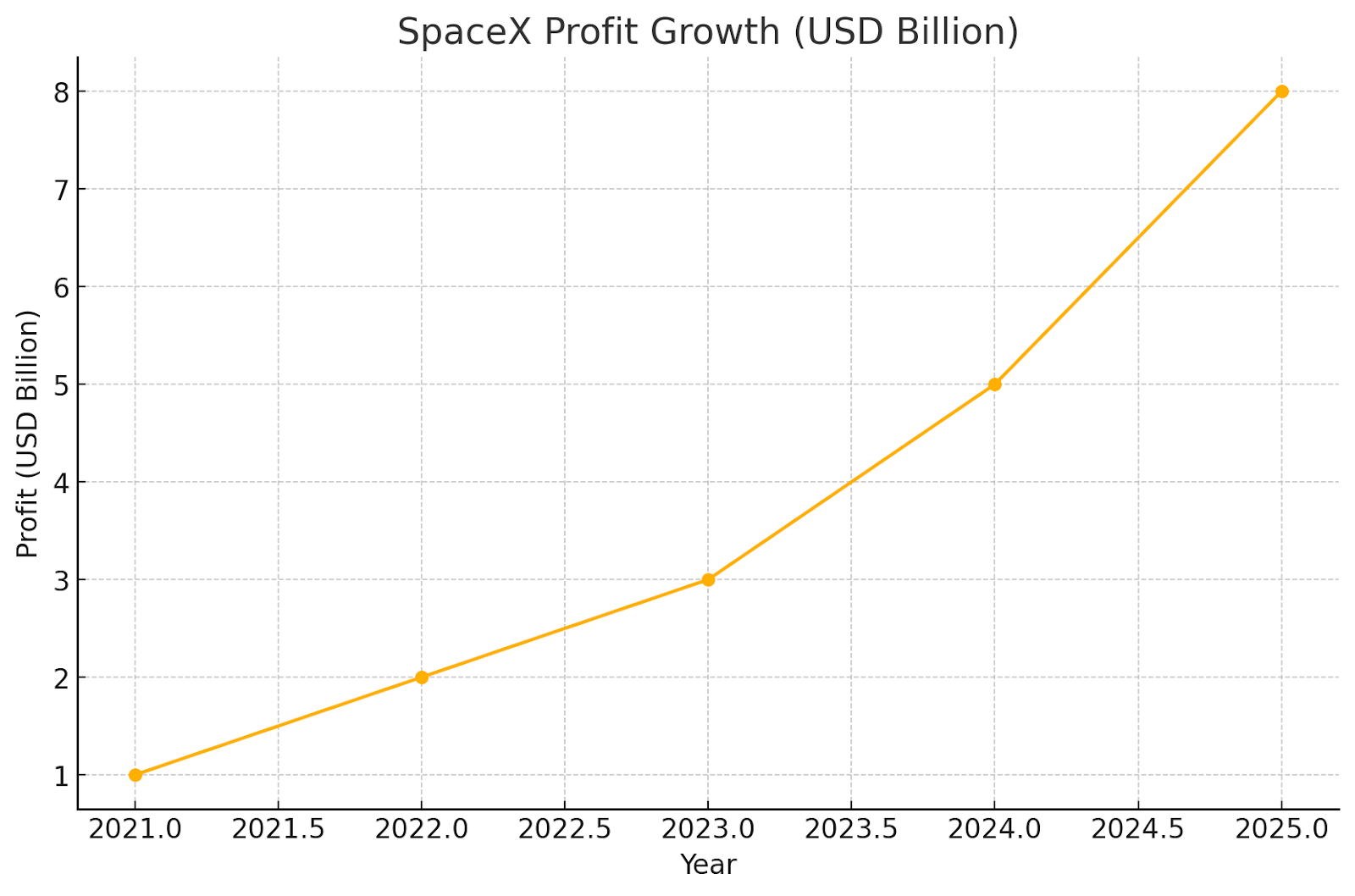
The company makes revenue in many different ways. They launch satellites and government objects into orbit and beyond. Starlink send internet to people through satellites. NASA, meanwhile, pays them to carry crew and cargo. SpaceX's financials back up that huge value. Reports say the company made a $3 billion profit in 2023. Some think this could hit $8 billion per year by 2025. Most of this profit comes from Starlink, which gives fast internet to places where it previously had never been available.
But here's the catch. It stays private with no plans to start selling shares to the public anytime soon. Elon Musk keeps saying the company doesn't need public cash to reach its goals, which poses a problem for regular investors who want a piece of its growth.
Here are some ways to get involved without buying its stock directly:
Smart investors found several ways to benefit from SpaceX without waiting for public shares.
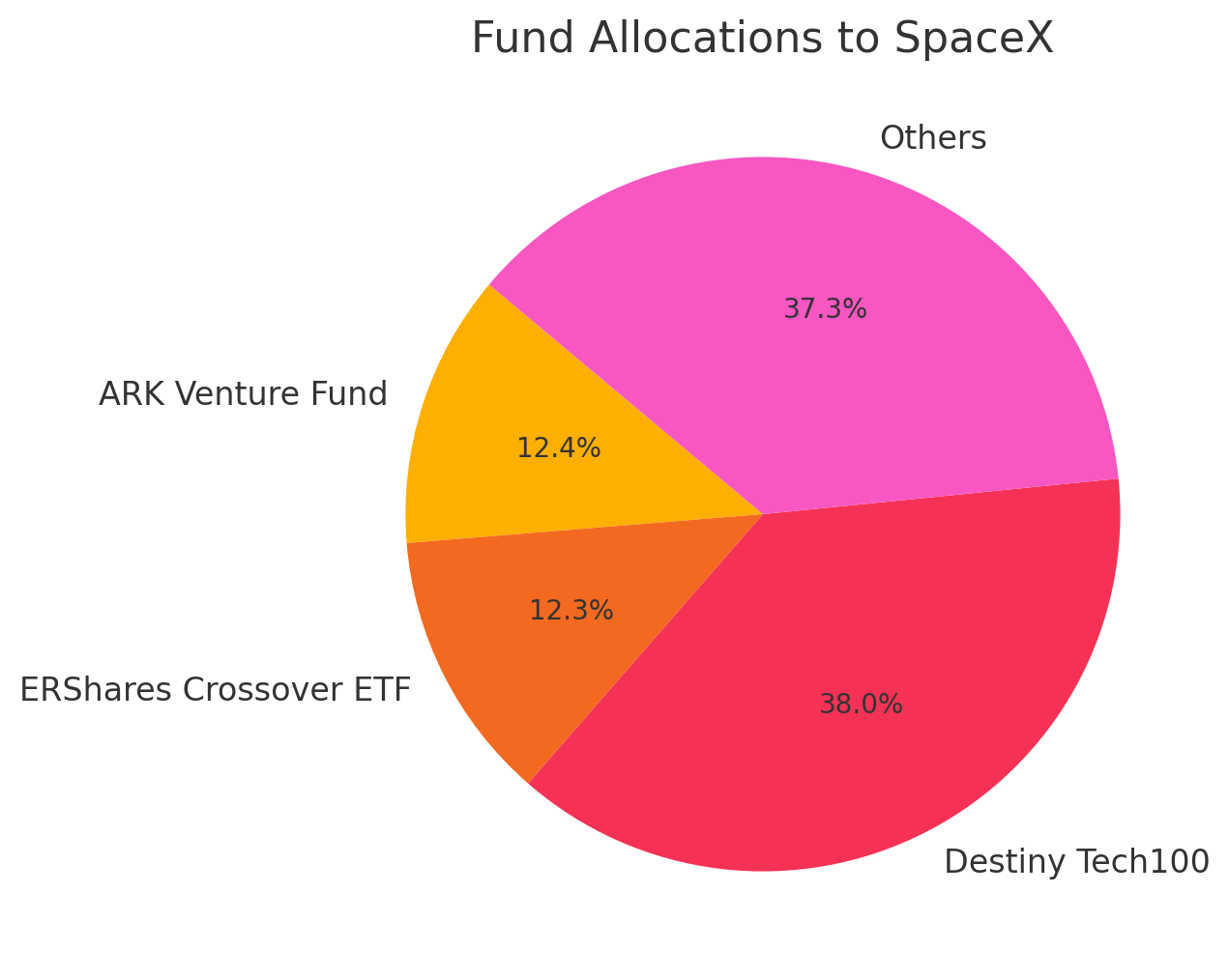
Investment funds: ARK Venture Fund holds SpaceX as its biggest holding, about 12.4% of the funds. The ERShares Crossover ETF puts about 12.3% into it. Destiny Tech100 puts nearly 38% of its money into the company.
Public conglomerates that own shares: Alphabet, Google's parent company, owns about 6.99% of it through investments worth around $24.5 billion at today's values. Bank of America also has a smaller piece worth about $2.9 billion.
Competitor stocks: Public enterprises like Rocket Lab compete directly with SpaceX in small satellite launches. These give another way to invest in cosmological expansion.
Other Lucrative Opportunities in the Great Beyond
Beyond the leader, the astronomy field has lots of investment spots.
Satellite providers: Old aerospace enterprises like Lockheed Martin and Boeing run big operations. Newer outfits meanwhile just focus on satellite tech.
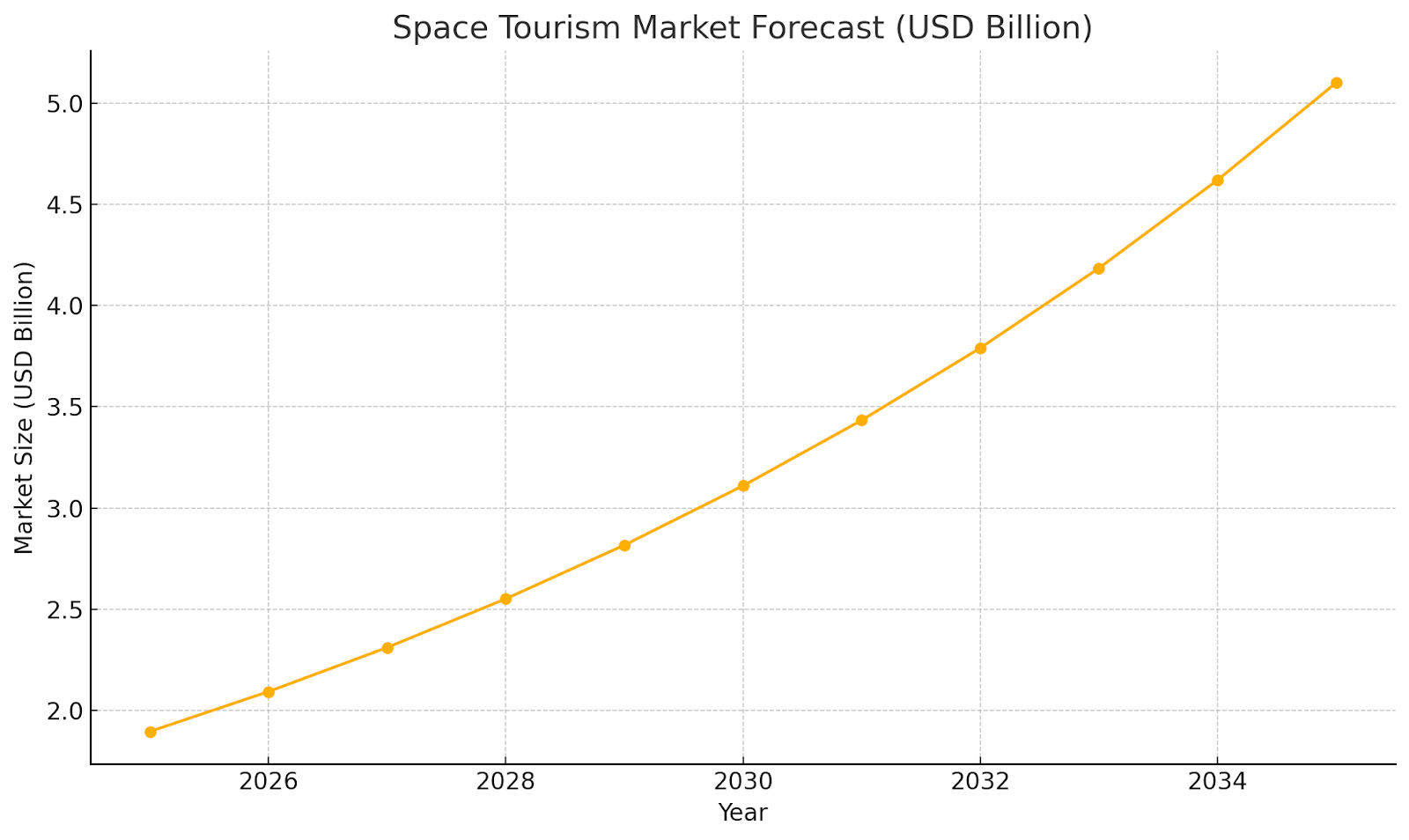
Tourism: Organizations like Virgin Galactic have their sights set on the new rocket tourism market. According to Future Market Insights, this market should reach USD 5.1 billion by 2035, growing at a CAGR of 10.4% from 2025 to 2035.
Infrastructure builders: Producers working on cosmologically based manufacturing, building things in orbit, and getting resources from the Moon represent long-term growth chances as the industry gets bigger.
Things to Think About and Risks
The astronomy business benefits from several strong trends.
Cheaper launches: Reusable rockets cut launch costs by about 90%. Thus, activities beyond our planet are proving handy in achieving a lot of adjacent purposes.
Smaller satellites: Tinier, better satellites create new business ideas and cost less to send up.
Government help: National security worries and science research keep government funds flowing to space programs.
Business demand: Industries from farming to insurance use satellite info more and more for their work.
Risk Stuff
Such ventures carry special risks that need careful thought.
Technical problems: Rockets can blow up. Satellites can break. Cosmic junk threatens things in orbit all the time.
Rule changes: Activities in the great beyond face tricky international rules that can change without warning, throwing a wrench into business.
Demands serious money: Rocket-traveling orgs need huge upfront cash with long waits to get paid back.
Competition: As the field grows, new enterprises fight for market share. This can cut into profits.
Political risks: Space stuff can become targets during fights between countries. Embargos and bans affect international business too.
Timing Issues
The funding involved often goes up and down big time based on launch schedules, contract wins, and whether missions work. This bumpiness can create purchase opportunities for patient investors, but also requires a strong stomach for risk. Government contracts are valuable but can get delayed or canceled when politics change or budgets get cut. Enterprises that depend heavily on government funding, meanwhile, face particular uncertainty.
Making Investments Work
Instead of betting everything on one company, think about building a healthy mix.
Direct rocket-faring outfits, already established as well as new ones
Tech organizations supplying these kinds of firms
Investment funds with cosmological exposure
Traditional airplanes with divisions dealing in the cosmos
Managing Risk
Investments should be just a small part of most people's portfolios owing to their high-risk, high-reward nature. Think about starting with 2-5% and adjusting based on how much risk you can handle and how long you plan to invest. Focus on enterprises with several ways to make profit rather than single-purpose firms. SpaceX succeeds partly because it does many different things – launch services, satellite internet, and government contracts.
Long-term Thinking
Investments require patience. Tech development takes forever. Official approvals take time. Markets often take a long time to adopt new stuff. Investors should plan to hold for 5-10 years or longer.
The most successful holdings in the field likely belong to enterprises that get early market leadership in their areas. First-mover advantages can be huge in the cosmos, where infrastructure ventures create high walls for others trying to get in.
What's Coming Next
Industry experts see explosive growth in rocket-faring activities continuing.
The global final frontier economy could hit $1.8 trillion by 2035, fueled by better satellite tech, rocket ship tourism, and eventually, things produced and resources acquired outside the Earth.
SpaceX's Starship program strives to launch missions to Mars and big satellite deployments. If it works, it could open new markets. The same goes for gathering resources from the Moon and cosmic solar power. These represent potential game-changing uses in the coming decades.
But this growth will likely serve a number of different orgs, not just SpaceX. Smart investors should think about the whole system of businesses dealing with the final frontier rather than focusing only on the most visible players.
New Opportunities
The cosmological economy offers great opportunities for holdings, but reaping rewards demands careful research and risk control. Start by understanding the different varieties of cosmic technology. Find organizations with strong competitive advantages and varied ways to make profit.
Think about starting with broad space ETFs or funds that give exposure to multiple players. This approach cuts single-company risk while letting you participate in sector growth.
For those interested in SpaceX specifically, indirect holdings through funds like ARK Venture or stocks like Alphabet currently provides the most practical access.
Conclusion
The final frontier represents a real frontier for investors willing to accept higher risk in exchange for potentially amazing returns. The question isn't whether cosmological holdings will work out. It's which organizations will lead the industry as it grows. Opportunity exists today for those ready to think beyond traditional investment boundaries and reach for the stars.
If you’re interested in gaining access to a wide range of exciting projects or gaining access to funding for your own project, crowdlending is one of the most accessible formats to find that in. People spread out their risk in lending into high-tech projects while orgs are able to bring their new innovation to market. Maclear has done so, permitting loans always accompanied by collateral, and has never experienced a late payment or default.