Borrower Interview: JINTEKI Ltd. — How Financing Unlocked the Next Stage of Growth
24.02.2026
7 min
Updated: 29.07.2026
At Maclear, we want investors not only to see a credit rating, but also to understand who is actually borrowing their money — the project on the other side of the platform you’re helping.
That’s why we try to share more details about borrowers themselves and their stories: real conversations with the people behind the loans listed on our platform. This is one of them.
We spoke with CEO Toma Tomov on how disciplined production, predictable planning, and capacity upgrades turn demand into sustainable growth.
In This Article
A quick look at the JINTEKI Ltd. borrowing project
JINTEKI Ltd. is a Bulgarian agricultural company specializing in sourcing, processing, and delivering raw and frozen fruits, vegetables, and industrial crops.
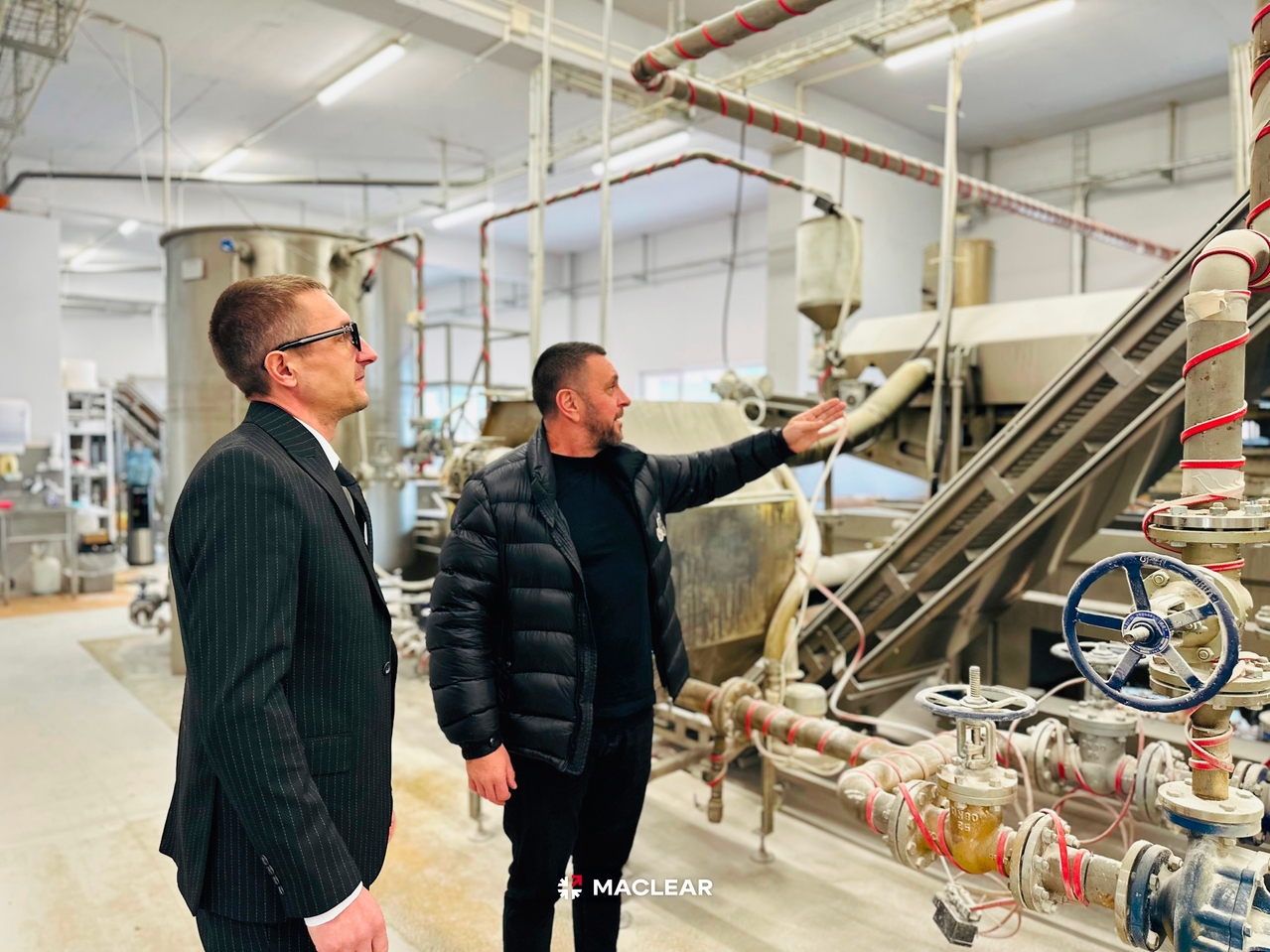
Aleksandr Lang (Maclear’s CFO and Co-Founder) and Toma Tomov (JINTAKI’s CEO)
The company's financials reflect consistent operational progress: gross profit grew from €113,694 in 2021 to €209,569 in 2024 — nearly doubling over three years, driven by increased volumes and improved production efficiency.
Following a state grant in November 2022, JINTEKI sought approximately €690,000 through Maclear to fund critical equipment upgrades — including IQF and shock-freezing units — to expand its product lines and deepen its presence with large Bulgarian retailers and the HoReCa sector.
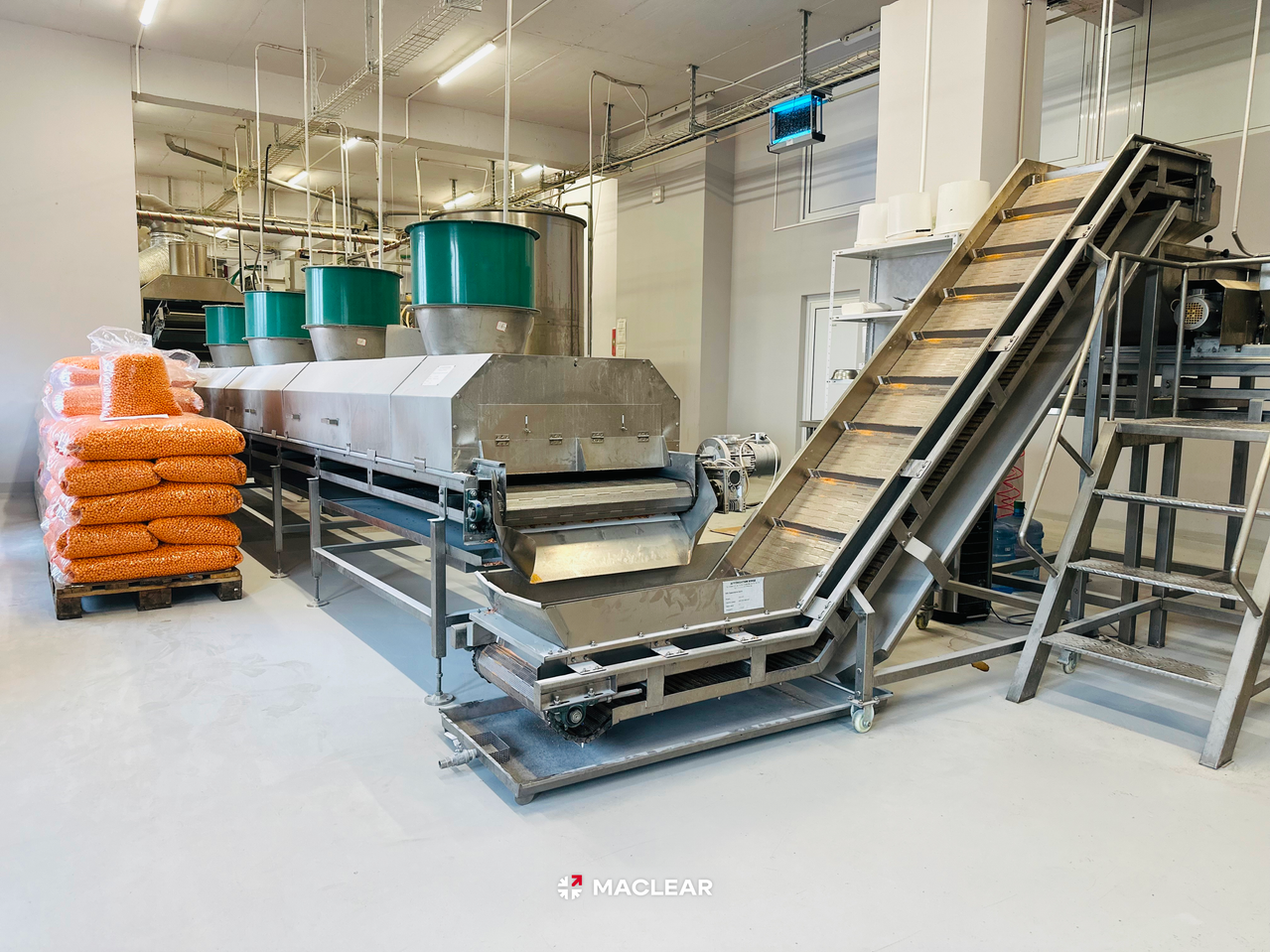
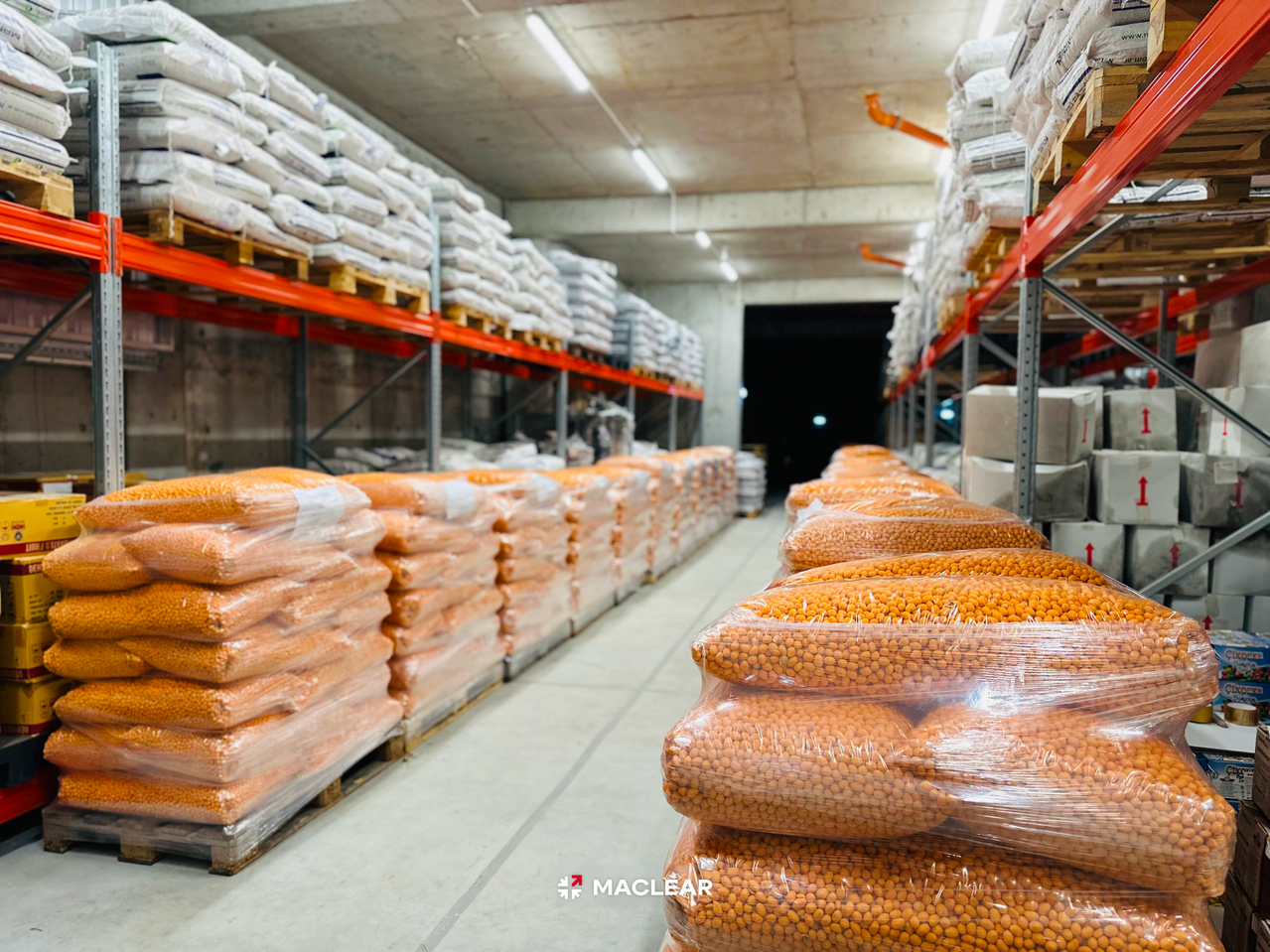
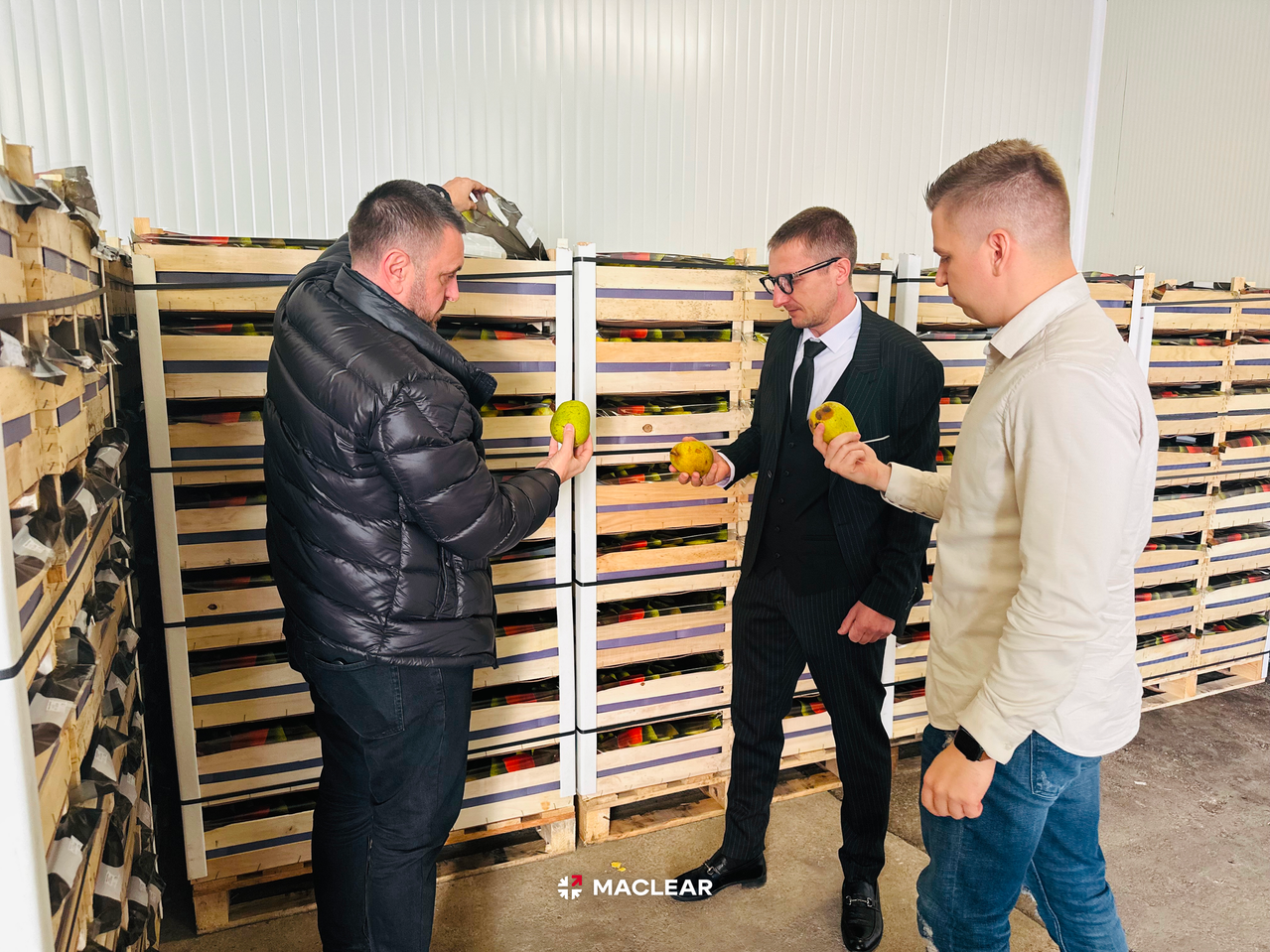
In April 2025, we travelled to Gabarevo, Bulgaria, to visit JINTEKI in person. We toured the production facility and the nearby warehouse, reviewed the production assets, and inspected the newly installed equipment on-site. The photos in this piece are from that visit.
How did JINTEKI start, and how did you end up on Maclear?
When we founded JINTEKI in 2018, the intent was clear from day one: build a modern processing facility that meets international quality and certification standards. We weren't interested in a buy-and-resell model. We wanted to control the entire process ourselves — from raw material to final product. That was a conscious choice, and it shaped everything that came after.
We invested early in the infrastructure to do it properly: freezing, drying, and storage. That gave us the ability to work year-round, instead of being completely dependent on seasonal cycles — which, in this industry, makes an enormous difference.
In those early years, speed wasn't the priority. We were focused on building something solid and reliable. My belief is that it all starts with a stable production base, as commercial relationships follow on their own. And that's exactly what happened because we made the right choice.
At a certain point, demand was already there, but our existing capacity couldn’t catch up. It was clear we needed to invest in equipment, and that meant looking for financing. That's how we came to Maclear.
At what point did growth start creating its own problems?
Growth in processing is never just "more volume." The moment scale increases, complexity increases with it — and your company starts feeling that.
Running a larger facility means you're constantly managing power supply, personnel, and maintenance across multiple production lines. Unfortunately, these aren't just background tasks; they become your daily reality. And on top of that, there's seasonality. Raw materials are available only during specific windows, which means acquisition, processing, and storage all have to be coordinated with real precision.
JINTAKI’s facility
At a certain point, informal planning simply stops working. It’s a normal phase of growth. The scale expands, and your internal processes have to catch up. We went through that, and we came out the other side with a much more structured operation.
Over time, we built a model that could handle larger volumes without compromising quality. And as demand grew — both in quantity and variety — we started seeing orders increase consistently. Clients wanted more, and they wanted a wider range of products. That put real pressure on our existing infrastructure. At that point, it was obvious: the next step had to be investment in capacity.
What specifically did Maclear financing make possible?
Funding became essential at a very specific moment: when we already confirmed the demand, but our capacity was the constraint.
The existing setup was functioning, but it wasn’t enough. We needed additional processing capacity to meet growing orders, and in practical terms, that meant new equipment and upgraded lines. Freeze-drying capacity, for example, had to expand significantly — both to handle a larger flow and a more diverse product range. Staying with the existing infrastructure would have meant turning down demand we had already earned. That wasn't an option.
So financing became the tool that unlocked the next stage.
Once the investment was made, production lines became more effective and operational losses dropped. But honestly, the most important shift wasn't the equipment itself — it was how we started making decisions. Instead of reacting to short-term constraints, we could plan production cycles and allocate resources with predictability.
JINTAKI’s facility
We started feeling that stability right away, alongside our clients and partners. I believe that in processing, consistency, and reliability are the whole business.
What achievements matter most to you?
In many industries, achievement is measured by growth rate. In processing, I'd measure it differently — by operational control.
Our turning point was reaching a level of discipline where we could increase volumes without compromising quality. And then building on that — reinforcing it with stronger planning and upgraded technology.
We moved from a reactive mode to a structured, predictable production system. Clients feel that in delivery reliability and product consistency — and that's what builds long-term relationships.
What's next for JINTEKI?
The focus stays the same — and I think that's actually the point. Operational stability first, then gradual, controlled expansion.
We expect volumes to grow in line with confirmed contracts. Quality consistency across all product categories stays at the core of everything we do. And increasingly, export relationships with long-term buyers will play a bigger role. Those partnerships are demanding — they require tight coordination across production, logistics, inventory, and warehousing. But they're also the most valuable for us.
Financing will remain an important part of how we grow
— specifically for capacity improvements that are directly tied to real market demand. I'm not interested in rapid expansion for its own sake. What I want for JINTEKI is sustainable growth — growth that's rooted in a solid manufacturing foundation and doesn't put everything we've built at risk.
Aleksandr Lang (Maclear’s CFO and Co-Founder), Dimitri Timoshkin (Maclear’s CPO), and Toma Tomov (JINTAKI’s CEO)
JINTEKI Ltd. has successfully completed its financing through Maclear. All borrowers undergo a structured due diligence process before being approved for listing. Publishing borrower interviews is part of how Maclear maintains transparency with its investor community — so that the people funding these loans can make informed decisions.