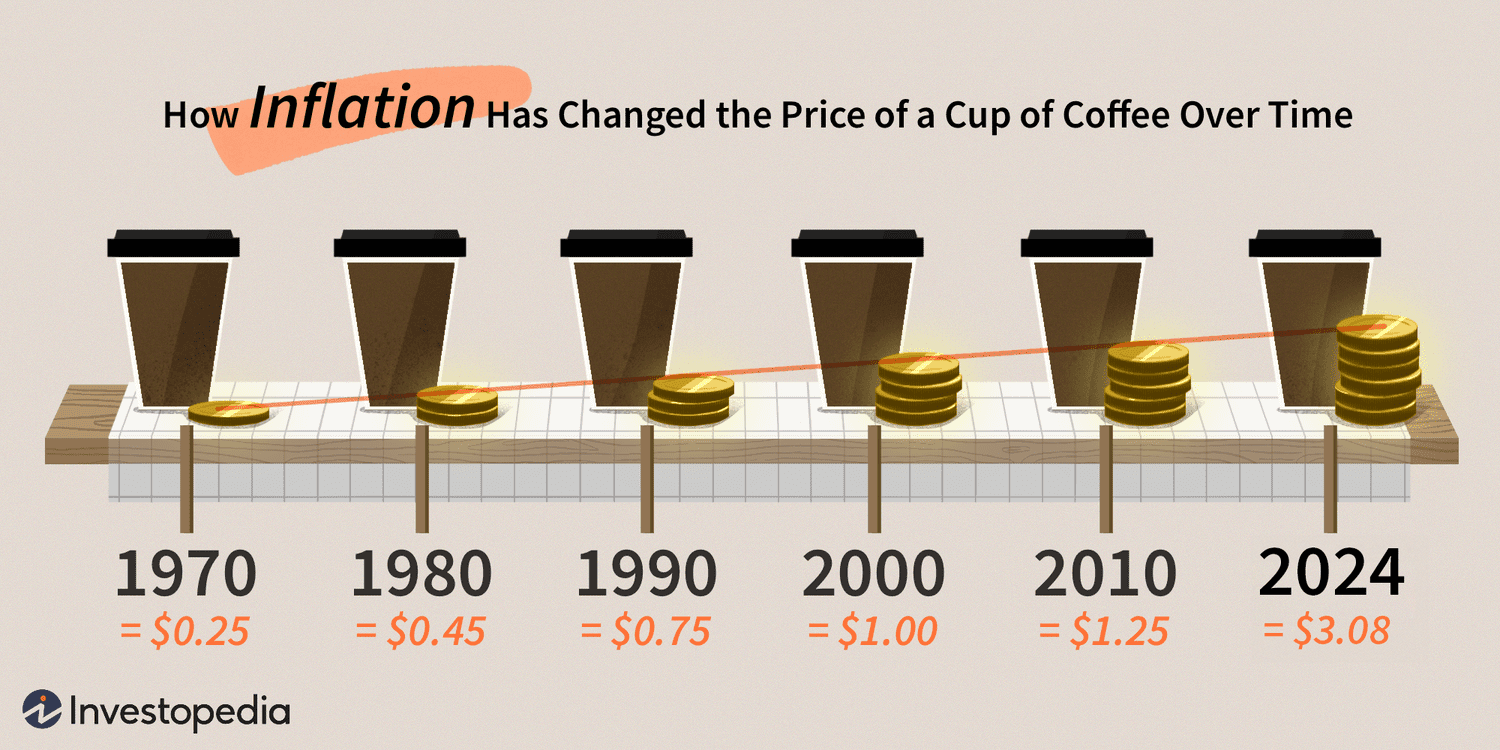
When we think of inflation, the first things we tend to think about are our groceries and gas bills, but that’s not the half of it. It’s not nearly as temporary or recession-based as it seems. It’s always happening, and it’s too slow for the casual observer to notice in the moment.
Over time, inflation quietly reduces money’s purchasing power, shaping how much wealth individuals can truly preserve. A euro might not seem to be worth any less the same time last year, but give it a decade, and then another one. You’ll clearly see how the real value of savings, income, and investments erode. In light of central banks shelling out new bills all the time, it’s imperative to have some kind of long-term financial game plan.
In This Article
Inflation 101
Inflation refers to goods’ and services’ gradual climb in prices over time. Every time things cost more and you’re still sitting with the same 100 euros, your purchasing power just went down and thus you’ve become poorer. The Consumer Price Index keeps a look at these phenomena which you can take a look at. On average, your 100 euros loses between 2 and 4 in effective value per year.
If your country’s inflation typically hovers at 3% per year, what could buy a 400-euro laptop today would only buy one worth 296 euros after ten years.
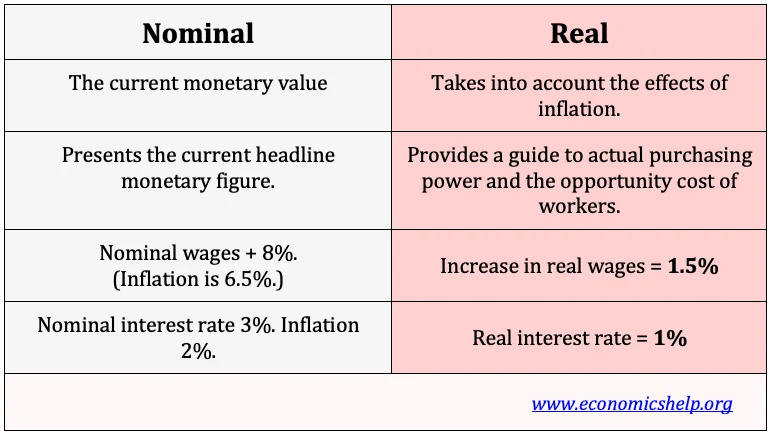
Nominal Value vs Real Value
Real value puts nominal value in check by shifting the focus off the number itself and what it’s actually worth relative to the time that’s passed. Over long periods, the gap between nominal and real values becomes increasingly pronounced. Wages, savings balances, and portfolio values may rise steadily, but if they fail to outpace the money printing, their purchasing power still goes down regardless.
Wealth Mirage
Much like compound interest works to grow investments, price escalation compounds in the opposite direction, steadily diminishing the real value of money over long periods. This compounding effect is particularly important when evaluating long-term financial goals such as retirement, education funding, or generational wealth transfer.
Price Escalation’s Impact on Savings
This is one of the first things everyone is told to set aside and presumably it’s supposed to guarantee your security. After all, you want liquidity and protection against unexpected expenses. However, purchasing power erosion poses a significant challenge. All too often though, bank accounts don’t produce enough interest while sitting in accounts.
That said, savings still serve an essential purpose. Short-term needs, emergency funds, and near-term expenses benefit from the stability and accessibility of cash. The key risk arises when excessive amounts of wealth are held in savings vehicles designed for safety rather than growth.
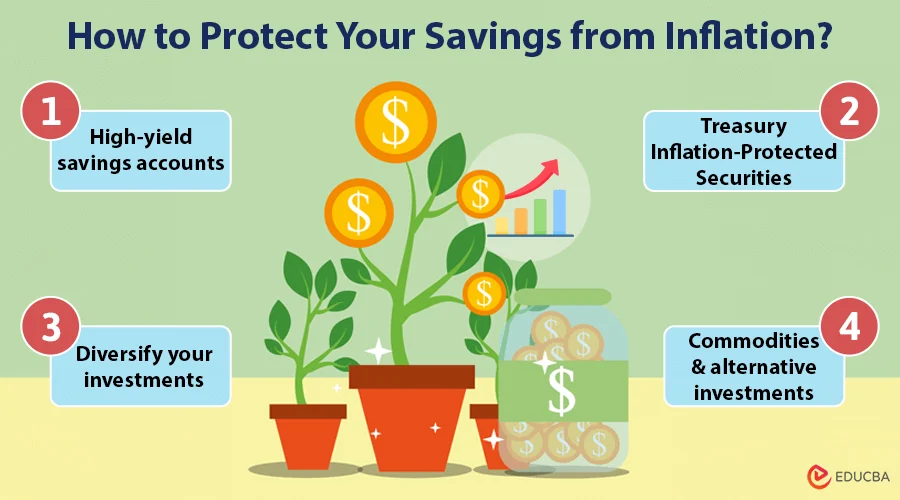
Investing Your Earnings
Unlike cash savings, many investment assets have the potential to generate returns that outpace inflation over time, even though eroding purchasing power still influences how different investments perform.
Stocks: have historically provided returns that exceed inflation over long periods, largely because companies can raise prices and grow earnings as costs rise. This ability to pass on inflation to consumers makes equities an effective long-term hedge.
Bonds: are more directly affected by inflation, as they maintain an inverse relationship
Real estate: benefit, since home prices go up to match it
Commodities: also go up to match dilution too
Government securities: can be specifically adjusted to match it
Alternative Investments
Many investors look beyond stocks and bonds toward alternative investments. These instruments are not traded on public markets and are often tied to real economic activity rather than market sentiment. As a result, they can offer diversification benefits and income streams that behave differently during periods of sharp price jumps. One segment that has exploded lately has been peer-to-peer crowdlending where investors chip into vetted projects together, sharing the risk.
Platforms like Maclear give borrowers the opportunity to obtain credit which don’t fit into the bank paradigm but are well qualified based on an based on the practices of the top 3 credit scoring agencies. All loans are protected with collateral as well as a provision fund, with welcome, loyalty, and referral bonuses and returns of up to 15%.
Retirement Planning
Unlike those in their working years, retirees often rely on fixed or semi-fixed income sources, making them more vulnerable to rising living costs. They may provide predictable cash flows, but many do not automatically adjust for inflation. Without cost-of-living adjustments, these income streams lose purchasing power each year, forcing retirees to either reduce their standard of living or draw down savings more quickly than planned. Even modest general price rises can significantly impact retirees over a multi-decade retirement period.
Social security and similar government benefits in some countries offer inflation-linked adjustments, but these increases may not fully reflect individual spending patterns, especially for healthcare and housing.
Wealth Inequality
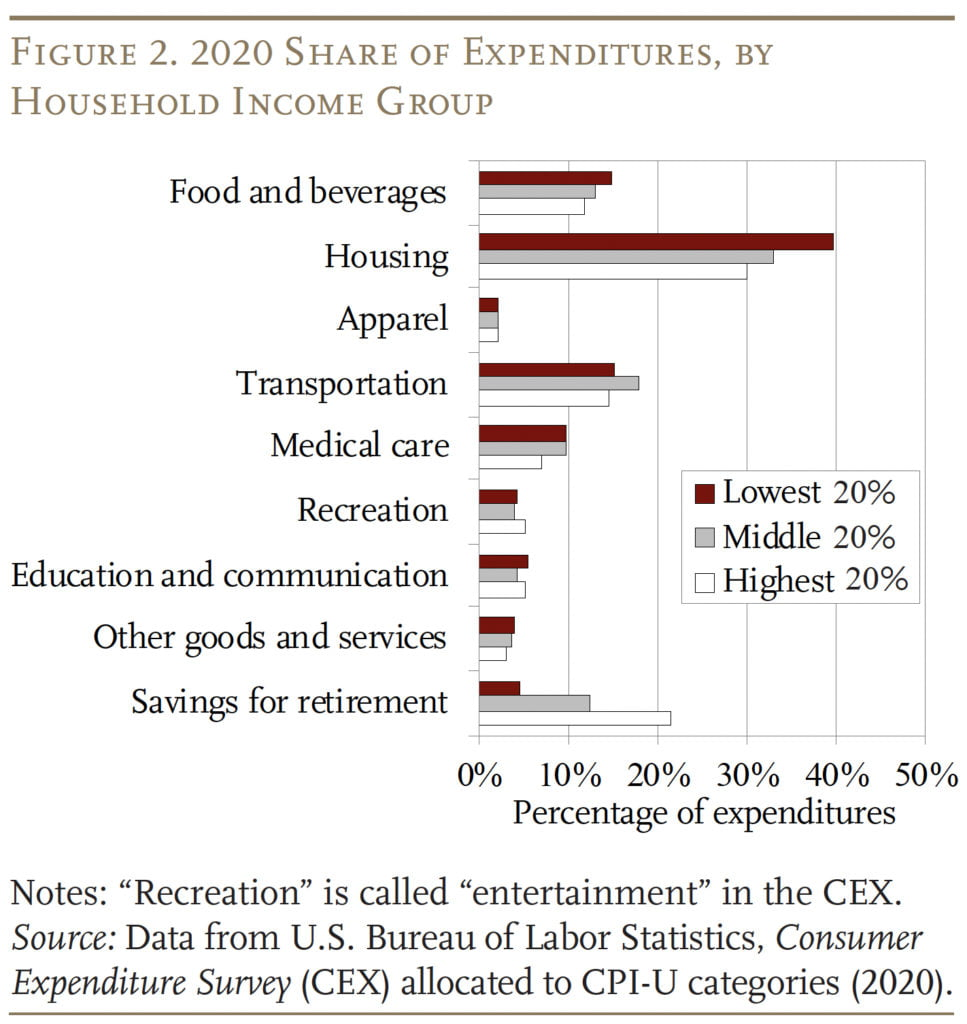
Inflation does not affect all individuals equally, and its uneven impact can contribute to widening wealth inequality over time. Those that don’t really hold many assets and tend to stick to the same paycheck for a long time are hit harder by this economic devaluation, while individuals who own appreciating assets may be better positioned to absorb or even benefit from rising prices.
Lower-Income Habits
Such people spend a larger proportion of their income on essential goods such as:
Food
Rent
Mortgages
Utility bills
Car payments
Entertainment
They’re usually more sensitive to inflation. When prices rise, these households have less flexibility to adjust their spending, leaving little room to save or invest. As a result, these individuals have a harder time gaining traction for passive income.
Habits of the Wealthy
These people tend to hold assets, real estate, and businesses that can increase in value during abrupt price jolts. These on the contrary tend to provide returns that exceed rises in prices, allowing owners to preserve or grow their real wealth. Additionally, access to financial advice and diversified investment opportunities further strengthens how they fare over time.
Debt
Fixed-rate debt can become easier to manage over time as currency devaluation reduces the real value of repayments. Those with access to favorable borrowing terms may benefit from this effect, while individuals without such access may struggle as the cost of living rises faster than wages.
Misconceptions about Inflation
This is something people definitely need to safeguard themselves from, yet there is a lot of confusion about currency devaluation.
It only matters during economic downturns: In reality, even low and stable devaluation steadily reshapes long-term financial outcomes. Treating it as a crisis-only issue means underestimating its cumulative impact during otherwise “normal” economic periods.
Wage growth automatically protects against currency devaluation: raises in paychecks or earnings may seem positive, but if that growth does not outpace rising prices, real purchasing power remains unchanged or even declines.
Holding cash is a safe bet: While cash provides stability and liquidity, it offers little defense against price increases over long periods. When that outpaces interest earned on cash holdings, the real value of money diminishes.
It’s bad for everybody: its impact varies based on income sources, spending patterns, asset ownership, and access to financial tools.
It’s a good tool for reducing debt: though it can lower the real value of fixed-rate debt, this benefit is uneven. Variable-rate loans, rising interest costs, and stagnant income can offset or reverse any advantage. Assuming it automatically makes debt easier to manage can encourage excessive or poorly structured borrowing.
It’s impossible to plan for: Many individuals view inflation as too unpredictable to account for in long-term planning. While exact rates cannot be forecasted, currency devaluation itself is persistent and measurable. Ignoring it altogether is a planning failure, not a defensive strategy.
Conclusion
Inflation is not a short-term inconvenience or a background economic statistic – it is a persistent force that quietly reshapes financial outcomes over time. Its real danger lies in how subtly it erodes purchasing power, distorts long-term planning, and creates the illusion of progress where real wealth is not actually growing. Left unaddressed, even modest increases in the general basket of goods can undermine decades of disciplined saving and investing.
There is no single solution to steadily rising prices. Effective planning involves understanding how different assets behave, how personal spending patterns evolve, and how compounding works both for and against you. By being intentional about where capital is allocated and how it is protected, individuals can shift from passively absorbing currency devaluation’s impact to actively managing it.
Maclear offers access to this space through P2B crowdlending, allowing investors to finance vetted business projects that operate outside the traditional banking framework. Its projects average about 12 months and are protected by collateral long-term and in the short-term by a special fund. Thanks to stage-based disbursements, the risk is spread out and investors can continue shelling out capital based on the results of the returns, often adding up to as high as 15%.